Showing posts with label Tips. Show all posts

Boost sperm health naturally

Photo by Franci Strümpfer
Originally published on MindBodyGreen in 2013.

Want to make a baby - but can’t? You’re not alone. Infertility affects 10-15% of couples in the US, and that percentage is steadily rising. When the cause of infertility lies with the male partner (about 30% of cases), it is usually due to poor sperm health. But there’s good news - sperm health can be drastically improved with simple diet & lifestyle changes.

Sperm count & motility are affected by heat, toxins, hormones, stress, sleep, weight - even cellphone use and TV watching have been implicated as factors in declining sperm health. But most of these factors can be remedied by diet & lifestyle changes.

Toxins are one of the toughest categories of sperm-blockers to avoid, because they are hidden everywhere - from pesticides & heavy metals in your food to plastics to prescription drugs. Eliminating them all may not be possible or realistic, so just control whatever you can: eat organic to avoid pesticides, and increase your intake of fruits, vegetables, nuts, and seeds, which contain antioxidants that help fight free radical damage. Aim to consume low-mercury seafood like lobster, oysters, and salmon. Don’t forget that avoiding toxins also means cutting out those that we willingly choose to consume, such as alcohol, tobacco, and over-the-counter or recreational drugs.

Testosterone, the hormone that drives sperm production & health, can be compromised by too much estrogen in the system. Hormones in meat & dairy foods, drinking water, plastics and even the phytoestrogenic effects of soy foods may contribute to an excess of estrogen in men. Eating organic or hormone-free animal products, filtering your tap water, and using glass containers for water & leftovers may help men avoid the hormone imbalance that can lead to sperm degeneration.

In addition to following the above guidelines, men may be able to improve sperm health in the following ways:
  • Using relaxation techniques such as deep breathing or meditation to combat stress
  • Sleeping at least 8 hours a night in complete darkness
  • Limiting cell phone use and carrying your cell phone away from your body
  • Exercising
  • Avoiding excessive heat in the pelvic region (hot tubs, tight underwear or tight pants)

The importance of nutrition in fertility preparation program is also paramount. Foods containing Vitamins A, C, and E, selenium and zinc can be of great benefit to naturally boost sperm quality. Giving the body a 6-12 month period to detoxify & restock vital nutrients through a whole food diet is crucial to sperm health, and will help increase the odds of conception.

Men don’t have to overhaul their lives in order to improve their fertility - small changes can make a big difference over time. By taking these baby steps towards better sperm health, men may soon witness baby steps of another kind.

The New Yorker

Big news this week: my letter to the editor was published in the New Yorker. If you're like me, you get sucked into reading The Mail every week, so by the time the next issue arrives, you've barely made it to Talk of the Town. When I heard that my letter might be included, I was over the moon - especially because it's such an important topic.

My original letter was heavily edited, so I've included the first draft below.

In case you're wondering what prompted my response, here's the original article. The author is thisclose to hitting the nail on the head, especially when she's quoting Tom Wadden and William Dietz, but never quite gets to what I think is the crux of the matter; namely, that we have created a society where weight loss is nearly impossible - and more importantly, that we have the power to change that!

The problem starts at the highest echelons of government and trickles down through conventional medical education all the way to the obesity epidemic. All is not lost yet, but without change on every level, the article's hypothesis may very well come to pass.

I think we can do much, much better. And I'm committed to doing my part to see it through.

xo
E

***************************

from: emily wade
to: themail@newyorker.com
date: Tue, Oct 4, 2016 at 9:30 PM
subject: Letter to the Editor re: "Bariatric Surgery: The Solution to Obesity?"

Before we all rush off to get bariatric surgery, it would be smart to examine exactly why diets and exercise don't work for obese patients.

First is a systemic problem with medical education. Many doctors are trained to treat symptoms instead of uncover the root cause of disease, and nutrition education in medical school is often minimal. 

Second, patients need more support in making these tough lifestyle changes. Doctors might advise their patients to eat right and exercise, but without any follow-up or a clear plan of action, success is unlikely. 

In addition, patients need more tests, and insurance needs to cover those. Obese patients are often battling dysbiosis, psychological issues, food sensitivities or addictions, or hormonal imbalances, all of which can contribute to the inability to lose weight. Without diagnosing and addressing these contributing factors, patients are more likely to struggle. 

Finally, the biggest hurdle: the food system in the US. People are eating foods that contribute to obesity because these foods are accessible, cheap, easy to prepare, tasty, addictive, and because people are largely misinformed about what's healthy (the low-fat movement discussed in the article is just one such example). 

Obese patients need a holistic, personalized program in conjunction with ongoing support so they can make lasting behavioral change without feeling overwhelmed or giving up. Diets & exercise do work, but there is not a one size fits all solution, and we need to provide patients with not only a strategy, but also the support to help them see it through.

-Emily Adams, Certified Nutrition Consultant


Eating for Mental Health

This is part 4 of a 4-part series designed for Bend + Bloom Yoga's May Challenge. Click to read Part 1, Part 2, or Part 3.

Just as the final limbs of yoga highlight the unity of the Self & the Divine, there is a very close link between your gut and your brain. Supporting your gut through proper nutrition can improve general mental health, and may facilitate the mental fortitude necessary to explore these advanced yogic techniques.

Probiotics are "friendly" gut bacteria that help nourish our gastrointestinal tract and protect against the bad bacteria that comes from excess consumption of sugar, processed foods, alcohol, or medications. Probiotics are found in naturally fermented foods like real pickles, kimchi, kombucha, or real sauerkraut (not the fake stuff with vinegar).


Homemade Sauerkraut
1 head green cabbage
1.5 T. salt
1 T. pickling spices (optional)
Large glass jar
A weight that fits inside your glass jar (e.g., a smaller jar filled with pie weights)
Cheesecloth & rubber band

Chop cabbage into thin slices. Mix the cabbage and salt together in a big mixing bowl and massage it together with your hands until it wilts & gets juicy, about 5 minutes. Fold in optional pickling spices and transfer cabbage (and its juices) to a large glass container, pushing it down as you go. Place a weight on top of the cabbage. Place cheesecloth over the mouth of the glass container and secure it with a rubber band.

Over the next 24 hours, press down on the weight every so often until you end up with a layer of liquid on top of the cabbage, completely submerging it.

Keep the cabbage on a countertop away from direct sunlight. After 5 days, taste the sauerkraut. You’ll know when it’s done by how it tastes - it could take 10 days or more. Once it’s done, pop a lid on the glass container and transfer it to the fridge.

Hungry for more? 
or 

Awareness in Eating

This is part 3 of a 4-part series about healthy eating as it relates to yogic principles, designed for Bend + Bloom Yoga's May Challenge. Click to read Part 1, Part 2, or Part 4.

When it comes to eating, hunger can derail the best of intentions. Who hasn’t made a 3-o’clock trip to the office cookie jar after skipping lunch? That’s because when your blood sugar is low, your cells send a message to your brain that they need fuel - and quick. This translates to a primal craving for simple carbohydrates like sugar … and a biochemical response that makes willpower and mindful eating nearly impossible.

Snacking is the secret weapon that will help you stay on track and maintain awareness in all your eating choices. It sounds counterintuitive: eat more, weigh less. But it works because you end up making better decisions (read: you’re more aware) when you aren’t famished.

Of course, snacks have to be healthy to be helpful. This week’s recipe provides complex carbohydrates to satisfy your cells, but also offers plant protein and healthy fats that will keep you satiated for longer.

Plus, these things are delicious! Enjoy your third week of the May Challenge, and have fun testing your ability to maintain mindfulness on the mat and off.

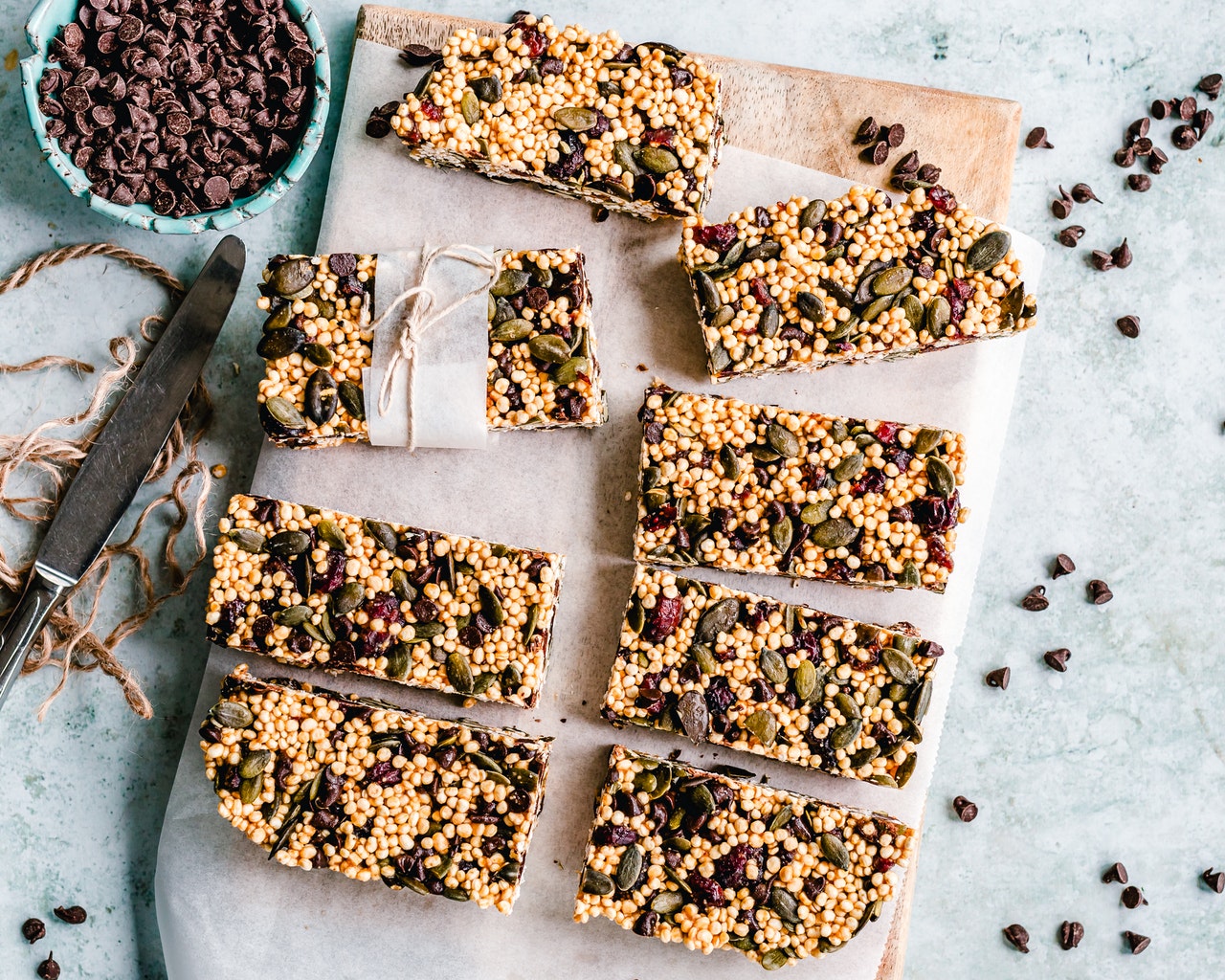
Homemade Snack Bars

2 c. nuts your choice (almonds and cashews work well)
1 c. dried fruit of your choice (I like apricots but feel free to get creative!)
½ t. Spice of your choice (optional, but I love cinnamon and allspice)
2 T. coconut oil, melted (more or less depending on your nut choices)

Place first three ingredients in a food processor and pulse until pulverized. With the food processor running, slowly add as much coconut oil as you need to make the mixture congeal into a batter-like consistency. Roll out batter to ½” thick on a silpat or other flat surface. Use a pizza cutter to slice into bar shapes. Carefully wrap bars in parchment or wax paper and put in the refrigerator until they’re set. Enjoy!

Hungry for more? 
or 

Eating for Respiratory Health

This is part 2 of a 4-part series about healthy eating as it relates to yogic principles, designed for Bend + Bloom Yoga's annual May Challenge. Click to read Part 1Part 3, or Part 4.

You’ll be breathing a lot this week, so take good care of your lungs! Here’s how:
  1. Take a deep breath before you eat: this shifts your nervous system into a parasympathetic state ("rest & digest"), crucial for optimal digestion. Yep, that's right: your lungs help you digest!
  2. Pump some iron: Iron is essential for transferring oxygen in your blood from the lungs to the tissues and storing oxygen. Spinach is a great plant source of iron.
  3. Stop the sneeze: Just like pollen, allergenic foods can have respiratory effects. The Big 8 allergens are wheat, dairy, corn, fish, shellfish, tree nuts, peanuts, and soy. In addition, inflammation from eating foods like refined carbohydrates (flour, sugar) and alcohol can negatively impact lung health.
  4. Add antioxidants: counter the oxidative effects of air pollution and smoke by consuming antioxidant-rich foods like fruits, veggies, nuts, and seeds.
Support your lung health with this antioxidant-rich, hypoallergenic smoothie bowl.


Smoothie Bowl

It’s amazing what you can throw into a smoothie! I like to add whatever I have lying around that may not get used otherwise: carrots, ½ avocado, ½ apple, nut milk, nutritional yeast, seaweed flakes… the list goes on!
½ c. filtered water
½ banana or mango
½ c. frozen organic berries
Big handful organic spinach (baby spinach is OK too!)
Small handful nuts of your choice (omit if
1 T. chia seeds
Top with shredded coconut, toasted pumpkin seeds, sunflower seeds, or nut butter

Place water into blender. Add next 5 ingredients and puree to desired consistency, about 15-30 seconds. Pour into a bowl, add toppings, and enjoy!


Hungry for more? 
or 

Sources:
https://www.ucsfhealth.org/education/hemoglobin_and_functions_of_iron/
http://www.whfoods.com/genpage.php?tname=nutrient&dbid=70

Nutrition for Inner Strength

This is part 1 of a 4-part series about healthy eating as it relates to yogic principles, designed for Bend + Bloom Yoga's May Challenge. Click to read Part 2, Part 3, and Part 4.

What we eat directly affects how we feel mentally, emotionally, and physically. Proper nutrition can strengthen our bodies and minds.

On a physical level, protein is responsible for building muscle. It is also a slow-burning energy source, which means that eating protein helps us feel satiated for a long time. Hunger can derail health, and protein is one of our best defenses against it.

Animal foods are the best source of protein because they are complete (meaning they contain all of the essential amino acids), but we must take care when choosing animal foods due to health, ethical, and environmental concerns. Pastured eggs are sustainably farmed and provide optimal health because hens roam free and graze on natural feed. The nutritional benefits are obvious in the orange color and robustness of the yolks, which are rounder and more orange than factory-farmed eggs, signifying a higher beta-carotene content and an overall healthier egg.

Starting your day with an egg breakfast is an excellent way to stabilize blood sugar, prevent hunger, and give your body the protein it needs for inner and outer strength. This easy recipe takes just a few minutes to prepare and can be adapted based on what you have on hand.


Easy Egg Breakfast
The simplest way to enjoy this breakfast is to follow the below recipe as-is, but it’s also super-easy to jazz up and enjoy for lunch or dinner, too. Serve over ¼ cup of rice, beans, lentils, grains, or a sprouted organic corn tortilla. Fake a shakshuka by placing eggs over warm crushed tomatoes. Top with Sriracha, hot sauce, a sliced avocado, sprouts, chives/scallions, paprika, microgreens, and/or toasted sesame seeds. Pair with pastured bacon on the weekends. #putaneggonit! You can pair this with almost anything - be creative!

Extra-virgin olive oil, more if needed
Pastured butter
2-3 pastured eggs (organic or free-range are good too if you can’t find pastured)
Handful of organic dark green leafy vegetable like kale, chopped as needed (I get boxed baby kale for easy grabbing - no chopping necessary)
Salt & pepper

First, heat a skillet over medium-high heat. Once the pan is hot (about 1 minute), turn the heat down to just over medium, and melt a few swirls of olive oil with a pat of butter. Once the butter is fully melted, gently crack the eggs directly into the pan. Cook for 1 minute and move to the side of the pan so you can add the greens to the pan (you may need to add a bit more olive oil). Cook until greens have wilted, about another minute or so. At this point I flip the eggs and turn off the heat, cooking them just until the whites are set. Season with salt & pepper, transfer to a plate, and serve immediately.

Sources: http://www.ncbi.nlm.nih.gov/pubmed/20048505
Hungry for more? 
or 

Vaccinations: A Middle Ground

I've been seeing so much passion for and against vaccines on my social media feeds lately. There has been a lot of name-calling and negativity, so I wanted to propose a more amicable and productive middle ground.

If you peel away all the frustration, both sides have a respectable and ultra-worthy common goal: to protect children.

Unfortunately, we have all received different information on just how to do that, which results in a lot of confusion and conflict. In addition, the information we get is often inconsistent, biased, or otherwise unreliable.

In the succinct words of Chris Kresser, "There is a risk in vaccinating, and there is a risk in not vaccinating. And anyone who tells you differently is not acquainted with the research literature."

So how do you decide what is the best option for you & your family?

Dr. Aviva Romm offers an excellent starting point in her lecture "Vaccination Pros & Cons: Help for Concerned Parents."  She presents the research in one of the most objective, unbiased summaries I've yet seen.  It's not exhaustive, but it's a great starting point.  Dr. Romm also wrote a book that provides further information entitled "Vaccinations: A Thoughtful Parent's Guide."

In addition, we can join together to fight for safer vaccines. Fewer side effects mean that more parents will feel comfortable vaccinating, so we can regain the herd immunity benefits of vaccination.

That said, one of the big-picture public health concerns is that vaccination may be creating a "survival of the sickest" situation. In the past, those who survived infectious diseases passed on some of that immunity to their children, which helped to naturally eradicate illnesses and bolster natural selection & the strength of the species. Today, we are observing troubling trends in immune disregulation & autoimmunity that are likely related to vaccines, but there is not enough long-term research to fully understand exactly what's happening.

Unfortunately, it doesn't sound like there is one right answer.  But by supporting and fighting alongside (instead of against) each other, we can make greater strides to protect the health of our nation's children. And that's what we're all after.

Soft Tacos for Breakfast, Lunch & Dinner!

One of the things I miss most about California is the Mexican food. With the snowstorm approaching,
I headed to the store to stock up on groceries and decided on a nostalgic treat. These veggie soft tacos turned out better than anything I've had in NY yet, and we even adapted the recipe for breakfast tacos the next morning (recipes below).


Veggie Soft Tacos

Corn tortillas
Cotija cheese
1-2 cans pinto beans (I like Eden Organics because their cans are BPA-free)
1 t. chili powder
1 t. cumin
Salsa (I like Muir Glen Organics' Medium Salsa)
Avocado, sliced
Cilantro, chopped
Olive oil & butter

Grate as much cotija as you'll need (about 2 T. per taco).

Heat olive oil & butter in a large skillet over medium-high heat, and add the chili powder and ground cumin. Cook the spices until fragrant, about 30 seconds, then stir in the beans. Mix and cook until heated through. Remove from heat.

Heat 2 tortillas (or as many as you can fit) in a dry skillet on medium-high. Cook until slightly toasted. Flip the tortillas and sprinkle 1 T. of cotija on each. When the cheese on the tortillas has melted, spoon 1-2 T. of salsa on top of each.

Once salsa is barely heated through, remove tortillas from the pan and top with beans, remaining 1 T. cotija, avocado, and cilantro.

Breakfast Soft Tacos

Corn tortillas
Cotija cheese
Pastured, cage-free eggs
Salsa
Avocado, sliced
Cilantro, chopped
Olive oil & butter

Grate as much cotija as you'll need (about 2 T. per taco). Gently whisk eggs (2 per person) together in a bowl.

Place two pans on the stove. In one pan, heat a mixture of olive oil & butter (about 1 T. each) over medium heat. Add the egg mixture to this pan. When the edges of the egg mixture are slightly set, gently scramble them once. Keep an eye on the eggs and continue to gently scramble as necessary.

In the other pan, add 2 (or as many as you can fit) corn tortillas. Cook until slightly toasted. Flip the tortillas and place 1 T. of cotija on each. When the cheese on the tortillas has melted, spoon 1-2 T. of salsa on top of each.

Once salsa is barely heated through, remove tortillas from the pan and top with eggs, remaining 1 T. cotija, avocado, and cilantro.

Hungry for more? 
or 

Caffeine

Photo by Slawek Lukjanow
So many of us love our daily cup of joe. Whether it's the ritual of enjoying a warm mug in the morning, or the physical jolt that we get from the caffeine itself, giving up coffee is usually a challenging task. 

I don't include caffeine in my programs because of its health risks. Here's why - and what your options are instead.

There are lots of good medical reasons to reduce or eliminate caffeine intake, especially while trying for a baby. Caffeine's link to infertility - even decaf! - has been well-documented in scientific literature. Caffeine is also associated with increased incidences of miscarriage, low birth weight, and delayed conception. In addition, caffeine's toll on your adrenal health is suspected to degrade your baby's adrenal health as well - and low adrenal function could mean poor metabolism, healing, and stress response.

So what's an addict to do? Well, my programs provide a strong foundation to explore a few options:
  1. If you want to try to break the addiction, you may experience up to 3 days of headaches. Knowing that in advance (and planning for it) can make dealing with the withdrawal symptoms easier. Drink lots of filtered water, rest, and distract yourself if possible.
  2. If you don't want to kick the habit cold turkey, I recommend weaning yourself down or replacing your coffee with a less-potent form of caffeine such as green tea. If you choose to do this, make sure to drink extra water, as caffeine is a diuertic. 
  3. Try going to bed 30 minutes earlier than normal and see if that helps to mitigate the need for caffeine in the morning. 
Test yourself to see how little caffeine you really need to "make do." And, if you're simply drawn to the ritualistic aspect of having a warm drink in the mornings, an herbal tea or hot water with lemon might be an easy replacement. 

Whatever happens, don't beat yourself up. Do the best you can, try different things, and be proud of yourself! Even just making a small change like this can switch up your routine and give you some good insights about what works best for your body.

What's your favorite non-caffeinated healthy beverage? Share your tips on our Facebook page.

The Most Important Nutrients for Fertility

In Priming the Bump, my 14-day fertility prep program, meals are tailored to include nutrients that are known to improve fertility: Protein; Vitamins A, B, C, D, and E; Zinc & Selenium; carnitine & arginine; omega-3 fatty acids; probiotic foods, and antioxidants. 

Want to know exactly how these fertility super-nutrients support your reproductive system? Here is the rundown:

Vitamins
  • Vitamin A: Necessary for the production of estrogen, progesterone & testosterone. Vitamin A also protects against environmental toxins & aids sperm production.
  • B-vitamins (especially folate & B12): Folate is crucial upon conception and many women are deficient. B vitamins (especially folate & B12) are responsible for protecting the DNA within sperm.
  • Choline: Choline is usually grouped with the B-complex vitamins. It is critical for brain & nervous system development.
  • Vitamin C: Vitamin C improves all semen variables. Vitamin C deficiency has been linked to declines in sperm count, motility and vitality and to an upswing in abnormal sperm.
  • Vitamin D: Balances Vitamin A, supports the production of estrogen in men & women, and can help correct PCOS. Infertility is associated w/ low levels of D.
  • Vitamin E: A powerful tool to improve male & female fertility, Vitamin E also increases male potency, regulates menstrual flows, and may prevent miscarriage.
Antioxidants
Antioxidants are essential for everyone during this age of high free radical damage, but they're especially important for anyone struggling with fertility. They help protect your delicate reproductive cells and systems from oxidation and degeneration. In fact, high antioxidant intake is known to improve fertility. Antioxidant consumption is associated with an increase in pregnancy rates, and it may also aid fertility in older women.

Many nutrients have antioxidant capabilities, but some of the most potent antioxidants are Vitamins A, C, and E, Selenium and Zinc.

Minerals
  • Selenium: Selenium is considered essential for male fertility because of its role in testosterone synthesis, normal sperm maturation, and sperm motility.
  • Zinc: Another critical mineral for male sexual function, Zn is involved in virtually every aspect of male reproduction. But it's not just for men. Zinc is also required for estrogen, progesterone & sperm production. Impotence, infertility or sterility can occur from Zn deficiency, and deficiency during pregnancy can cause birth defects.
  • Bone broth contains minerals like calcium. It also supplies nutrients that help build healthy cartilage, detoxify, and heal the digestive tract. It's an excellent tonic for immunity as well as development.
Brazil nuts are an excellent food source of Selenium, and oysters are the best dietary source of Zinc. It's no wonder oysters are considered an aphrodisiac!

Protein
  • Clean protein: Reproductive hormones are made from proteins, some of which are only obtainable through diet (aka "essential"). Protein also provides a feeling of satiety that helps us stay on track and avoid a doughnut binge.
  • Carnitine: Carnitine is an amino acid - one of protein's building blocks. Low carnitine levels may be indicative of infertility. Carnitine can help men improve their sperm count & motility. It also provides energy to testicles and sperm.
  • Arginine: An amino acid that is essential for sperm formation. Arginine can strengthen sperm count & motility. It can also improve fertilization rates in women who had previously failed IVF.
Fat
  • High-fat dairy products: Studies show that high-fat dairy reduces the risk of infertility due to lack of ovulation by more than 50% in contrast to low-fat dairy foods, which can actually reduce the risk of successful conception.
  • Omega-3 fatty acids: Sperm motility directly correlates with omega-3 fatty acid levels, especially DHA. Too few omega-3 fatty acids in relation to omega-6 fatty acids can decrease sperm concentration, motility & morphology. Plus, omega-3s are crucial for baby's brain development.
Probiotics
  • Probiotic foods: Changes in vaginal flora & subsequent genital & intrauterine infections have been linked to reproductive failure. Probiotic foods help restore bacterial balance. In addition, since probiotics help us digest & assimilate food, they help ensure that the body can use all the nutrients we eat. Probiotics can also detoxify & strengthen the immune system, which is especially important during the early stages of pregnancy.
Now that you know which nutrients are important for fertility (and why), you can begin to choose foods that supply these nutrients and begin boosting your fertility naturally.

What to Look For in a Prenatal Multivitamin

Original photo by Melissa Ramirez
This is one of the first things I work on with my perinatal clients, as it’s often overlooked. Many doctors don’t specify what kinds of nutrients are necessary to supplement, which forms of these nutrients are most absorbable, or the recommended dosage of each. 

Supplements are unregulated, and can vary wildly in terms of their content, so it’s important to ensure you’re getting high-quality, bioavailable nutrients so that you’re not wasting your money.

In addition, many of my clients get incorrect information about what they need during this unique time in their lives. For example, contrary to popular belief, the RDA for calcium does not increase during pregnancy, but stays constant at 1,000mg for all women aged 19-30, regardless of whether they are pregnant or lactating.

It’s also important to note that the Recommended Daily Allowance (RDA) is not necessarily what you think it is. The Recommended Daily Allowance is defined as “the average daily level of intake sufficient to meet the nutrient requirements of nearly all (97%-98%) healthy people.” 

What this means is that the RDA isn’t necessarily what’s recommended for optimal health; it’s more like the minimum recommended for your body to function properly. A separate chart, Upper Tolerable Limits (UL), notes the “maximum daily intake unlikely to cause adverse health effects.”

Of course, theoretically, we should be able to get all our nutrition from our food. And if you’re eating lots of clean, whole foods like organic vegetables and pastured meats, a supplement may feel redundant. However, I still recommend that all my perinatal clients take one (see why here).

That said, the healthier you eat, the more flexibility you may have in terms of the dosage of your supplement (perhaps you may feel safe taking half the recommended dose).

With that in mind, here is my guide to ingredients and dosages, as well as a recommendation for my favorite prenatal supplement (and where to buy it).


B-complex
Perhaps the single most important nutrient for moms-to-be, folate requirements nearly double when you become pregnant1. Supplementation pre-conception prevents spina bifida2 and, potentially, autism3. For this reason, it’s important to start taking a supplement well before you get pregnant.

However, there are some very important distinctions between the natural form of Vitamin B9 (folate) and the synthetic form that’s commonly found in fortified foods & supplements (folic acid). Up to 50% of the population has a genetic mutation preventing them from metabolizing folic acid. In addition, folic acid has been associated with cancer, maternal infection, and abnormally slow fetal heart rate (4). Therefore, you must look for the L-5-MTHF form.

(The USDA alludes to this differentiation in their table of Tolerable Upper Intake Levels. A note at the bottom of the table explains that the UL for folate only applies to synthetic forms “obtained from supplements, fortified foods, or a combination of the two.”)

If you’d like to get more folate from your food, you can add more green leafy vegetables, black-eyed peas, brewer’s yeast, liver, and beans to your diet.

Supplementing with folate can obscure a B12 deficiency, so if you’re going to take folate, I highly recommend supplementing with B12 as well. Look for the methylcobalamin form, which is more easily absorbed and used than the cyanocobalamin form. In foods, Vitamin B12 is only found in animal products.

B-vitamins work in concert with one another, and the Daily Recommended Intakes for almost all of them rise during pregnancy, so the best option is to choose a multivitamin that provides all of them together.

In terms of dosages, B vitamins are water soluble, which means that they flow easily throughout the body. Most B vitamins do not have an upper limit due to lack of evidence of adverse health effects.

Insufficient B vitamins may be associated with morning sickness, so supplementing may help alleviate symptoms.

B-vitamin food sources include nutritional yeast, yogurt, peanuts, and organ meats.


Magnesium
The Recommended Daily Allowance for magnesium increases to 350mg per day when you’re pregnant, depending on your age (if you’re over 30, you require 360mg). Look for a chelated form, such as magnesium citrate or glycinate.

Magnesium helps build & repair tissues and is necessary for protein formation & cellular replication. Deficiency is associated with preeclampsia and poor fetal growth. Excess calcium intake can also reduce the absorption of magnesium, since they are mineral partners that need to be balanced1.

To increase magnesium in your diet, eat pumpkin seeds, sea vegetables, almonds, cashews, brewer’s yeast, and leafy greens.


Zinc
Zinc is an antioxidant mineral and is important for protein & DNA synthesis. Deficiency is associated with miscarriage and low birth weight.

Food sources include oysters, steak, and pumpkin seeds.

The RDA for Zn increases from 8mg to 11mg when you’re pregnant. In supplements, look for chelated zinc, such as zinc glycinate, zinc picolinate, and zinc citrate.

Zinc’s mineral partner is copper, so they must be in balance. Therefore, it is often recommended to take supplemental copper (at a ratio of 1 to 10) if you take supplemental zinc4. The RDA for copper increases to 1000mcg/day when you’re pregnant, so that's another good reason to look for copper in your prenatal multi.


Selenium
Selenium is a powerful antioxidant that can be found naturally in Brazil nuts. The RDA increases from 55mcg to 60mcg during pregnancy.

When it comes to minerals, chelated forms are often the best, so look for something ending in -ate, such as selenium glycinate or aspartate.


Chromium:
The Adequate Intake (AI) for chromium rises from 25 to 30 mcg/day when you’re pregnant. While the RDAs for some other trace minerals also increase during pregnancy (like molybdenum and manganese), chromium is the only one that you may not be able to get sufficiently from your diet. Therefore, selecting a multivitamin that includes chromium is a good idea.


Vitamin A
Vitamin A is tricky. Vitamin A deficiency can cause maternal death5, but excessive amounts are not easily excreted and can cause birth defects6. Therefore, getting just the right amount is crucial.

Whole foods are by far the best way to get your daily requirements of Vitamin A, as it’s less likely that you will consume toxic levels of Vitamin A through your diet. In addition, the natural forms of Vitamin A found in foods are more likely to be safe than synthetic versions found in some supplements.

Carotenoids, the plant-based precursors to Vitamin A, are water soluble and do not cause Vitamin A toxicity. For this reason, when it comes to your supplement, mixed carotenoids are the best choice to avoid toxicity. The RDA for Vitamin A rises from 700 to 770 mcg/day when you’re pregnant.

Beta carotene, the best known carotenoid, is found in orange plant foods like sweet potatoes and carrots, as well as dark green leafy vegetables like spinach and lettuce.

However, carotenoids can be problematic, as not all beta carotene is converted into Vitamin A7. In addition, it appears that some people aren’t good at converting any beta carotene into Vitamin A8. Mixed carotenoids are a better choice, but they are still not as bioavailable as preformed Vitamin A, because they require conversion.

Preformed Vitamin A is found in animal foods like liver, fish oils, milk, eggs, and butter. Adding these foods to your diet in moderation - along with your orange veggies and a supplement containing mixed carotenoids - is what I recommend in order to reach a healthy Vitamin A intake.


Vitamin C
The RDA for Vitamin C increases to 85mg/day when you’re pregnant. Vitamin C is another great antioxidant, and it’s water soluble so toxic buildup is unlikely. That said, excessive amounts of Vitamin C (> 2,000mg/day) “may contribute to the formation of kidney stones, as well as cause severe diarrhea, nausea, and gastritis”9.

While most of us think of citrus fruits when we think of Vitamin C food sources, bell peppers, broccoli, and brussels sprouts have even higher concentrations of Vitamin C.


Omega-3 fatty acids
There is no recommended daily amount for these nutrients, but studies show that they are crucial for baby’s health. Most experts recommend intake of 400-650mg DHA and 650-1200mg EPA11. You can get this through eating fish, or you can take a purified supplement like OmegaGenics or OmegAvail, both available in my store.


A word about iron
Iron requirements rise from 18mg to 27mg per day during pregnancy, as it’s required for the production of red blood cells and DNA. Even slight iron deficiency can lead to learning disabilities in your developing child.

However, iron is not easily excreted, and can contribute to free radical activity. For this reason, I don’t recommend supplementing with iron unless your doctor deems it medically necessary. Instead, try to get heme iron (the most efficiently absorbed type) from animal food sources like clams, steak, shrimp, turkey, and chicken. Lentils are a good non-heme iron source for vegetarians.


A word about iodine
Iodine deficiency used to be a problem in the US, and was largely rectified by iodizing salt. Nowadays, supplementation isn’t usually necessary, and due to complexities surrounding the effects of iodine intake, it also usually isn’t recommended.

That said, when you’re pregnant, your RDA for iodine rises from 150 to 220mcg/day, so you do need to be aware of your intake.

In addition to iodized salt, the ocean is an excellent source of iodine, so sea vegetables and seafoods are a great way to get iodine through your diet. Dairy products are also a good way to get sufficient iodine through your diet.


A word about Vitamin D
The RDA for Vitamin D doesn’t increase during pregnancy, but since deficiency is common, it’s often included in multivitamins. Look for the cholecalciferol form (D3), as D2 isn’t nearly as absorbable or beneficial10.


A word about Vitamin E
Your need for Vitamin E doesn’t increase when you’re pregnant, but most multivitamins include it in some form nonetheless. The best form is mixed tocopherols, although I rarely see that in supplements.


  1. Murray, M., Pizzorno, J., & Pizzorno, L. (2005). The Encyclopedia of Healing Foods. New York: Atria.
  2. Hudson, T. (2008). Women’s Encyclopedia of Natural Medicine. McGraw Hill: New York.