Showing posts with label Supplements. Show all posts

What to Look For in a Prenatal Multivitamin

Original photo by Melissa Ramirez
This is one of the first things I work on with my perinatal clients, as it’s often overlooked. Many doctors don’t specify what kinds of nutrients are necessary to supplement, which forms of these nutrients are most absorbable, or the recommended dosage of each. 

Supplements are unregulated, and can vary wildly in terms of their content, so it’s important to ensure you’re getting high-quality, bioavailable nutrients so that you’re not wasting your money.

In addition, many of my clients get incorrect information about what they need during this unique time in their lives. For example, contrary to popular belief, the RDA for calcium does not increase during pregnancy, but stays constant at 1,000mg for all women aged 19-30, regardless of whether they are pregnant or lactating.

It’s also important to note that the Recommended Daily Allowance (RDA) is not necessarily what you think it is. The Recommended Daily Allowance is defined as “the average daily level of intake sufficient to meet the nutrient requirements of nearly all (97%-98%) healthy people.” 

What this means is that the RDA isn’t necessarily what’s recommended for optimal health; it’s more like the minimum recommended for your body to function properly. A separate chart, Upper Tolerable Limits (UL), notes the “maximum daily intake unlikely to cause adverse health effects.”

Of course, theoretically, we should be able to get all our nutrition from our food. And if you’re eating lots of clean, whole foods like organic vegetables and pastured meats, a supplement may feel redundant. However, I still recommend that all my perinatal clients take one (see why here).

That said, the healthier you eat, the more flexibility you may have in terms of the dosage of your supplement (perhaps you may feel safe taking half the recommended dose).

With that in mind, here is my guide to ingredients and dosages, as well as a recommendation for my favorite prenatal supplement (and where to buy it).


B-complex
Perhaps the single most important nutrient for moms-to-be, folate requirements nearly double when you become pregnant1. Supplementation pre-conception prevents spina bifida2 and, potentially, autism3. For this reason, it’s important to start taking a supplement well before you get pregnant.

However, there are some very important distinctions between the natural form of Vitamin B9 (folate) and the synthetic form that’s commonly found in fortified foods & supplements (folic acid). Up to 50% of the population has a genetic mutation preventing them from metabolizing folic acid. In addition, folic acid has been associated with cancer, maternal infection, and abnormally slow fetal heart rate (4). Therefore, you must look for the L-5-MTHF form.

(The USDA alludes to this differentiation in their table of Tolerable Upper Intake Levels. A note at the bottom of the table explains that the UL for folate only applies to synthetic forms “obtained from supplements, fortified foods, or a combination of the two.”)

If you’d like to get more folate from your food, you can add more green leafy vegetables, black-eyed peas, brewer’s yeast, liver, and beans to your diet.

Supplementing with folate can obscure a B12 deficiency, so if you’re going to take folate, I highly recommend supplementing with B12 as well. Look for the methylcobalamin form, which is more easily absorbed and used than the cyanocobalamin form. In foods, Vitamin B12 is only found in animal products.

B-vitamins work in concert with one another, and the Daily Recommended Intakes for almost all of them rise during pregnancy, so the best option is to choose a multivitamin that provides all of them together.

In terms of dosages, B vitamins are water soluble, which means that they flow easily throughout the body. Most B vitamins do not have an upper limit due to lack of evidence of adverse health effects.

Insufficient B vitamins may be associated with morning sickness, so supplementing may help alleviate symptoms.

B-vitamin food sources include nutritional yeast, yogurt, peanuts, and organ meats.


Magnesium
The Recommended Daily Allowance for magnesium increases to 350mg per day when you’re pregnant, depending on your age (if you’re over 30, you require 360mg). Look for a chelated form, such as magnesium citrate or glycinate.

Magnesium helps build & repair tissues and is necessary for protein formation & cellular replication. Deficiency is associated with preeclampsia and poor fetal growth. Excess calcium intake can also reduce the absorption of magnesium, since they are mineral partners that need to be balanced1.

To increase magnesium in your diet, eat pumpkin seeds, sea vegetables, almonds, cashews, brewer’s yeast, and leafy greens.


Zinc
Zinc is an antioxidant mineral and is important for protein & DNA synthesis. Deficiency is associated with miscarriage and low birth weight.

Food sources include oysters, steak, and pumpkin seeds.

The RDA for Zn increases from 8mg to 11mg when you’re pregnant. In supplements, look for chelated zinc, such as zinc glycinate, zinc picolinate, and zinc citrate.

Zinc’s mineral partner is copper, so they must be in balance. Therefore, it is often recommended to take supplemental copper (at a ratio of 1 to 10) if you take supplemental zinc4. The RDA for copper increases to 1000mcg/day when you’re pregnant, so that's another good reason to look for copper in your prenatal multi.


Selenium
Selenium is a powerful antioxidant that can be found naturally in Brazil nuts. The RDA increases from 55mcg to 60mcg during pregnancy.

When it comes to minerals, chelated forms are often the best, so look for something ending in -ate, such as selenium glycinate or aspartate.


Chromium:
The Adequate Intake (AI) for chromium rises from 25 to 30 mcg/day when you’re pregnant. While the RDAs for some other trace minerals also increase during pregnancy (like molybdenum and manganese), chromium is the only one that you may not be able to get sufficiently from your diet. Therefore, selecting a multivitamin that includes chromium is a good idea.


Vitamin A
Vitamin A is tricky. Vitamin A deficiency can cause maternal death5, but excessive amounts are not easily excreted and can cause birth defects6. Therefore, getting just the right amount is crucial.

Whole foods are by far the best way to get your daily requirements of Vitamin A, as it’s less likely that you will consume toxic levels of Vitamin A through your diet. In addition, the natural forms of Vitamin A found in foods are more likely to be safe than synthetic versions found in some supplements.

Carotenoids, the plant-based precursors to Vitamin A, are water soluble and do not cause Vitamin A toxicity. For this reason, when it comes to your supplement, mixed carotenoids are the best choice to avoid toxicity. The RDA for Vitamin A rises from 700 to 770 mcg/day when you’re pregnant.

Beta carotene, the best known carotenoid, is found in orange plant foods like sweet potatoes and carrots, as well as dark green leafy vegetables like spinach and lettuce.

However, carotenoids can be problematic, as not all beta carotene is converted into Vitamin A7. In addition, it appears that some people aren’t good at converting any beta carotene into Vitamin A8. Mixed carotenoids are a better choice, but they are still not as bioavailable as preformed Vitamin A, because they require conversion.

Preformed Vitamin A is found in animal foods like liver, fish oils, milk, eggs, and butter. Adding these foods to your diet in moderation - along with your orange veggies and a supplement containing mixed carotenoids - is what I recommend in order to reach a healthy Vitamin A intake.


Vitamin C
The RDA for Vitamin C increases to 85mg/day when you’re pregnant. Vitamin C is another great antioxidant, and it’s water soluble so toxic buildup is unlikely. That said, excessive amounts of Vitamin C (> 2,000mg/day) “may contribute to the formation of kidney stones, as well as cause severe diarrhea, nausea, and gastritis”9.

While most of us think of citrus fruits when we think of Vitamin C food sources, bell peppers, broccoli, and brussels sprouts have even higher concentrations of Vitamin C.


Omega-3 fatty acids
There is no recommended daily amount for these nutrients, but studies show that they are crucial for baby’s health. Most experts recommend intake of 400-650mg DHA and 650-1200mg EPA11. You can get this through eating fish, or you can take a purified supplement like OmegaGenics or OmegAvail, both available in my store.


A word about iron
Iron requirements rise from 18mg to 27mg per day during pregnancy, as it’s required for the production of red blood cells and DNA. Even slight iron deficiency can lead to learning disabilities in your developing child.

However, iron is not easily excreted, and can contribute to free radical activity. For this reason, I don’t recommend supplementing with iron unless your doctor deems it medically necessary. Instead, try to get heme iron (the most efficiently absorbed type) from animal food sources like clams, steak, shrimp, turkey, and chicken. Lentils are a good non-heme iron source for vegetarians.


A word about iodine
Iodine deficiency used to be a problem in the US, and was largely rectified by iodizing salt. Nowadays, supplementation isn’t usually necessary, and due to complexities surrounding the effects of iodine intake, it also usually isn’t recommended.

That said, when you’re pregnant, your RDA for iodine rises from 150 to 220mcg/day, so you do need to be aware of your intake.

In addition to iodized salt, the ocean is an excellent source of iodine, so sea vegetables and seafoods are a great way to get iodine through your diet. Dairy products are also a good way to get sufficient iodine through your diet.


A word about Vitamin D
The RDA for Vitamin D doesn’t increase during pregnancy, but since deficiency is common, it’s often included in multivitamins. Look for the cholecalciferol form (D3), as D2 isn’t nearly as absorbable or beneficial10.


A word about Vitamin E
Your need for Vitamin E doesn’t increase when you’re pregnant, but most multivitamins include it in some form nonetheless. The best form is mixed tocopherols, although I rarely see that in supplements.


  1. Murray, M., Pizzorno, J., & Pizzorno, L. (2005). The Encyclopedia of Healing Foods. New York: Atria.
  2. Hudson, T. (2008). Women’s Encyclopedia of Natural Medicine. McGraw Hill: New York.

Are You Folate-Deficient?

Last week, I had my blood drawn. (We just moved to New York so we're setting up all our baseline
preventative appointments here. It took me a while, but I finally found a MD trained in functional medicine who accepts our insurance.)

I had been feeling a bit sluggish and down since our cross-country move. At first, I thought it was diet-related - it's not as easy to get fresh, healthy food on the East Coast as it was in San Francisco. But after a few months of clean eating, I felt only marginally better. I started exercising more, but that didn't help much either. So, it was off to the doctor's office to see if we could figure out what was up.

I got my results back and was jaw-droppingly shocked to find out that I had hyperhomocysteinemia (too much homocysteine). Homocysteine is a byproduct of protein metabolism that can wreak total havoc on our health. Symptoms of high homocysteine range from depression to Alzheimer's Disease to serious cardiovascular issues to osteoporosis to Down's Syndrome and more. It typically results from diets too high in animal protein and too low in B vitamins (found in legumes and dark green, leafy veggies).

Now, considering that I had just finished a fertility program designed to be particularly high in folate and other B vitamins, and leafy greens are a part of my everyday diet, that seemed impossible.

But there's a catch! (And this is where it gets super-important for YOU!)

Up to 50% of people have a genetic mutation that limits or prevents their absorption of folic acid (MTHFR).

This is one of the reasons why I recommend against supplements that use folic acid instead of folate.  

But if you have the genetic mutation, even if you're eating a folate-rich diet, additional supplementation with the naturally absorbable form of folate (5-MTHF) is needed.

You all probably already know how important folate status is during pregnancy. Deficiency in the early stages of pregnancy can cause neural tube defects like spina bifida. That's why it's essential to get enough folate before you conceive.

How much is enough? It is difficult to consume too much folate. In fact, one of the only concerns about excessive folate intake is that it can mask a B12 deficiency. If you're already taking a good prenatal multi that includes the methylcobalamin form of B12 (as found in the prenatal supplements that I carry), you shouldn't need to worry about that.

With that in mind, I just added L-5-MTHF capsules to my dispensary on Emerson Ecologics. Head on over to pick some up along with your prenatal multi. To set up your account, you'll just need the code natal3 and my zip code, 11201. Click here to buy products.

3 Ways to Naturally Boost Your Fertility - Easily!

Photo by LesKZN

It can be hard to conceive naturally. And sadly, the reasons for this are too numerous to list. Often, the root cause boils down to one thing: hormone imbalance.

Reproductive hormones are part of the endocrine system, the same system that manages stress and energy hormones. When there is an imbalance in one area, it’s common for the other areas to suffer as well. 

In addition, everyday products & foods frequently contain “endocrine disruptors” - compounds that act like hormones and can trick the body, artificially inflating or depressing natural hormonal activity.

Even your sleeping patterns can affect your fertility: if levels of your serotonin and melatonin hormones are out of whack, it can influence your reproductive hormones.

It’s common to feel hopeless when struggling with fertility, but there are many natural ways to take back control. It can even be easy!

Here are some tips to effortlessly boost your fertility naturally:

1) Reduce stress however you can. Three of the most quick, effective, and free ways are deep breathing, meditation, and exercise. Short on time? Just take a few deep breaths and clear your mind while you’re on the way to work, washing the dishes, or before you fall asleep. Simple AND effective!

2) Reduce exposure to endocrine-disrupting chemicals. A few ways to do this are to filter your water, eat organic, avoid plastics and canned foods unless they’re BPA- and phthalate-free, and don’t put anything on your skin that you wouldn’t eat. (Coconut oil is a great moisturizer, apple cider vinegar works as a toner, and jojoba or sweet almond oil rivals even the fanciest eye makeup removers). Pick one area to tackle, and then try to add a new resolution each week.

3) Get good quality sleep. This means getting at least 8 hours of uninterrupted sleep and sleeping in complete darkness. Even the glow of your cellphone or street lights can affect your melatonin levels. Better sleep means more energy, improved mood, a greater capability to deal with stress ... See how all the other hormones (thyroid/energy, serotonin/mood, adrenal/stress) benefit from a good night’s sleep? Well, your reproductive hormones do, too!

If you’d like to learn even more ways to boost your fertility naturally, and become part of a supportive community of like-minded people, sign up for my FREE 14-day Fertility Prep Program at Priming the Bump.


Hungry for more? 

Boosting Immunity

Photo: Anita Berghoef
My husband came down with the flu last night, so I've been focusing a lot on immunity lately.
Thought I'd share it with my tribe here!

What to do when you're feeling under the weather? I use a 4-pronged approach:
  1. Rest
  2. Let your body do its job
  3. Healthy foods & beverages
  4. Targeted supplements
Let's discuss each one in a bit more depth:

Rest
Luckily, we're on break at the moment so my husband can take full advantage of this recommendation. For worker bees, however, this is notoriously challenging. Some companies only provide a certain number of sick days, so illness comes to (and permeates) the workplace. If you can work from home, that's a great first step. If you can't, take a sick day. If you can't take a sick day, make sure that you allow for at least nine hours of sleep a night, and take a 10-minute break every hour to escape the hubbub of the office, close your eyes, and take a few deep, relaxing breaths. Your body is telling you to slow down - listening and respecting it will help you feel better in the moment as well as heal faster.

Let your body do its job
Most people reach for the medicine cabinet the minute fever hits. But fever is one way the body heals itself. Some viruses can't survive at certain temperatures, so a fever can kill them off. Or perhaps you're groggy and want to take a Sudafed so you can power through the day. But powering through the day can just prolong your agony, as you aren't giving your body the rest it's trying to demand (see above). I personally try to only use OTC medications if my symptoms are keeping me awake at night. Otherwise, I allow my symptoms to slow me down so I can heal faster.

Healthy foods & beverages
I've got a lot of tricks up my sleeve here. Some foods will make you feel better immediately, and some can help boost your immunity so you heal more quickly.

Homemade bone broth is an excellent, nourishing tonic for the sick. It's rich in minerals and amino acids that support the immune system. In addition, heated beverages provide immediate relief for postnasal drip and dry mouths.

Did you know that up to 80% of your immune system is located in your digestive tract? Probiotics nourish your gut, so eating foods that are high in probiotics is a great choice when you're sick. These include fermented foods such as real sauerkraut, pickles, kimchi, kombucha, and yogurt.

Another great immunity-boosting food is mushrooms. Asian mushrooms like maitake are particularly well-known for their ability to rally white blood cells to fight infection.

Garlic has a long history of medicinal use - it's naturally antimicrobial and antibacterial. Chop up raw garlic and swallow the pieces with water, as if you're taking a few pills. (You'll have the added benefit of fending off vampires).

And my secret weapon? A non-alcoholic hot toddy: hot water with fresh-squeezed lemon juice, sliced ginger coins, a sprinkle of cayenne, and a tablespoon of honey. Sooo yummy and so soothing on a sore throat!

Targeted supplements
Everyone knows that echinacea is great for immunity. Keep some of that in your pantry and take as directed on the bottle.

In addition, Zinc is crucial for immune cell function. In addition, it is one of the most-needed minerals during preconception and pregnancy, due to its important role in reproductive function. Chelated forms of Zinc, such as Zinc picolinate, are the most absorbable.

Probiotic supplements can also help improve gut flora and support the immune system.

Curcumin (turmeric) is anti-inflammatory. I always take capsules of supercritical extract when my joints ache or any part of my body is feeling raw. There is not enough research on the effects of curcumin supplementation during pregnancy. Therefore, I recommend that pregnant women who want to get more curcumin simply sprinkle turmeric into soups or spice rubs.

If you are prone to cold sores, you're more likely to get them when you're run down. Try taking L-Lysine to prevent an outbreak.

What is your best natural secret for kicking winter illness to the curb?

9 Ways to Heal PCOS

Photo by Nossirom
There are lots of baby-blocking health issues out there these days: low sperm count, endometriosis, nutritional deficiencies, toxins ... and I'm passionate about helping you find natural solutions to each of them.

Yet another common reproductive syndrome that can screw with your fertility is polycystic ovarian syndrome, or PCOS. According to the Mayo Clinic:
PCOS happens when your pituitary gland and ovaries overproduce certain hormones. Because those hormones can interfere with the production and release of eggs, PCOS is a common cause of infertility and may be the reason you have difficulty becoming pregnant.
Ugh. Hormones strike again.

In today's world, we have more exposure to hormones than ever before. And hormones must be in balance for your baby-maker to properly function. Unfortunately, our environments, diets, and lifestyles can sometimes cause us to inhale, absorb or ingest excess hormones that may be partially responsible for fertility issues.

Luckily, there are lots of really easy ways to reduce your exposure to hormones and get your reproductive system back on track:
  • Eliminate dairy foods like cheese, butter, milk, and cream. According to one Harvard scientist, dairy accounts for 60-80% of all estrogens consumed! If you must indulge, seek out organic, pasture-raised, or raw milk from small farms, whose cows are likely to have fewer hormones.
  • Eat organic - especially meat (and dairy). It's illegal for farmers to use hormones on hogs and poultry, so if you can't afford organic, pork & chicken are better options than conventional beef. Pesticides can have estrogenic effects, and many conventional animals are injected with hormones that disrupt our hormonal balance when we eat them.
  • Support your liver. The liver detoxifies and regenerates estrogen. So treat it well by avoiding drugs and alcohol. Even prescription and over-the-counter drugs can negatively affect the liver (e.g., Tylenol). Support your liver by eating bitter foods, cruciferous vegetables, and taking a good, absorbable multivitamin (you can purchase my favorite via my store). Drink lots of filtered water, too.
  • Avoid soy. Soy is a phyto (plant) estrogen, so many natural fertility experts recommend that couples avoid it. Perhaps an even more compelling argument for eliminating soy is that over 91% of soy is now genetically modified - and GM soy and corn have been found to decrease fertility in animal studies.
  • Stay away from xenoestrogens (chemicals that mimic estrogen in the body). Some common xenoestrogens are pthalates, parabens, BPA, food coloring, birth control pills, PCBs, and DDT. These chemicals are most commonly found in canned foods, plastic-packaged foods, cosmetics, personal care products, and household cleaners. READ LABELS! Your safest bet, food-wise, is to eat organic, fresh foods. Avoid eating large fish, as PCBs accumulate in their fat. And don't store or reheat your food in saran wrap or plastic containers like Tupperware. As for cosmetics, personal care & cleaners, check out Pretty Healthy for tips.
  • Balance your other hormones: practice stress-reduction techniques and gentle exercise to lower cortisol, get a good night's sleep to regulate melatonin, and get your thyroid checked to ensure proper function. Hormones work in concert with each other, so by helping one, you benefit them all.
In terms of PCOS specifically, there are a few additional risk factors to address:
  • Stabilize blood sugar. Elevated insulin (the hormone that's produced when blood sugar rises) plays a huge role in many cases of PCOS. Keeping blood sugar stable will help prevent insulin spikes. Reduce refined carbohydrates like bread, pasta, flour, and all sweets - including soda and fruit juices. Eat healthy fats & avoid low-fat foods. Eat 3 meals and 2 snacks daily, and make sure each has clean proteins and healthy fats.
  • Lower inflammation. Try an elimination diet to see if you have an undiagnosed food sensitivity that is creating an inflammatory response. Eat anti-inflammatory foods and spices such as salmon, veggies, turmeric, ginger, and cayenne. Avoid polyunsaturated cooking oils: use olive or coconut oil when you're cooking at home and, when at a restaurant, ask your server if they can cook your food in olive oil or saturated fat.

The final, and perhaps the easiest way to start healing PCOS?  
  • Detox with a whole-foods cleansing program like the New Year Cleanse! Everything but the cooking is done for you, and you'll get to become part of a wonderful group of people who are also committed to health. It's a fun, challenging way to kick off the New Year. The program begins January 1, but the price goes up on December 1, so sign up now for just $29!

Though my tips seem pretty easy when you read them, they aren't always as simple to implement on a consistent basis. More than just information, you need support and accountability to make lasting change that can transform your health. And that's where I come in. Schedule a free 30-minute consultation with me to discuss how to put the above recommendations into action.

'Til then, I wish you all the best. Happy Thanksgiving!

My baby has arrived!

No, not a real baby (yet) - my first online self-study program! Yes, it's true: Priming the Bump: A 14-Day Fertility Prep Program is finally here!

This Fertility Prep program helps you boost your fertility naturally & improve your baby's chances of being born healthy & smart - without spending a fortune or risking dangerous side effects. It nourishes your reproductive system with fertility-enhancing foods while cleansing your body of toxic substances that could prevent you from conceiving (or lead to birth defects & developmental disorders like autism).

I'm so excited about this new addition to my services. One of my personal goals is to provide health counseling to everyone who needs it, but not everyone can afford my one-on-one coaching rates. That's why the Prep Program is so awesome - you get all the juicy goodness of working with me 1:1, but at a much lower out-of-pocket cost. And I'm offering it at a special introductory rate for a limited time. There's no better time to join in the fertility-boosting fun!

Here's what people are saying about Priming the Bump's 14-Day Fertility Prep Program:

"This is all excellent material and a well thought-out program."

"I'm really enjoying the daily emails, they're informative, yet simple and concise. Love!"

"There is so much good stuff here! Excellent flow of materials and info."

"This is awesome and so informative!"

Want to learn more? Head on over to the Priming the Bump page to check out all the details. And tell your friends & family, because this introductory rate won't last forever.

Get ready to prime YOUR bump!

Preventing Low Birth Weight

Photo by Zureks
A new study confirms that DHA (an omega-3 fatty acid found in fish oil) increases birth weight and gestation duration (the total time that your baby's in your belly).

While that might sound like a few more weeks of torture for you, it's actually of crucial importance for your baby. Premature and low birth weight babies are more likely to develop serious health problems later in life, like high blood pressure, diabetes & heart disease.

That said, getting enough DHA safely can be a challenge. While food sources are always the most bio-available source of nutrients, fish poses a problem. Large fish like tuna can have dangerous levels of mercury, so it's not advisable to eat them during pregnancy.

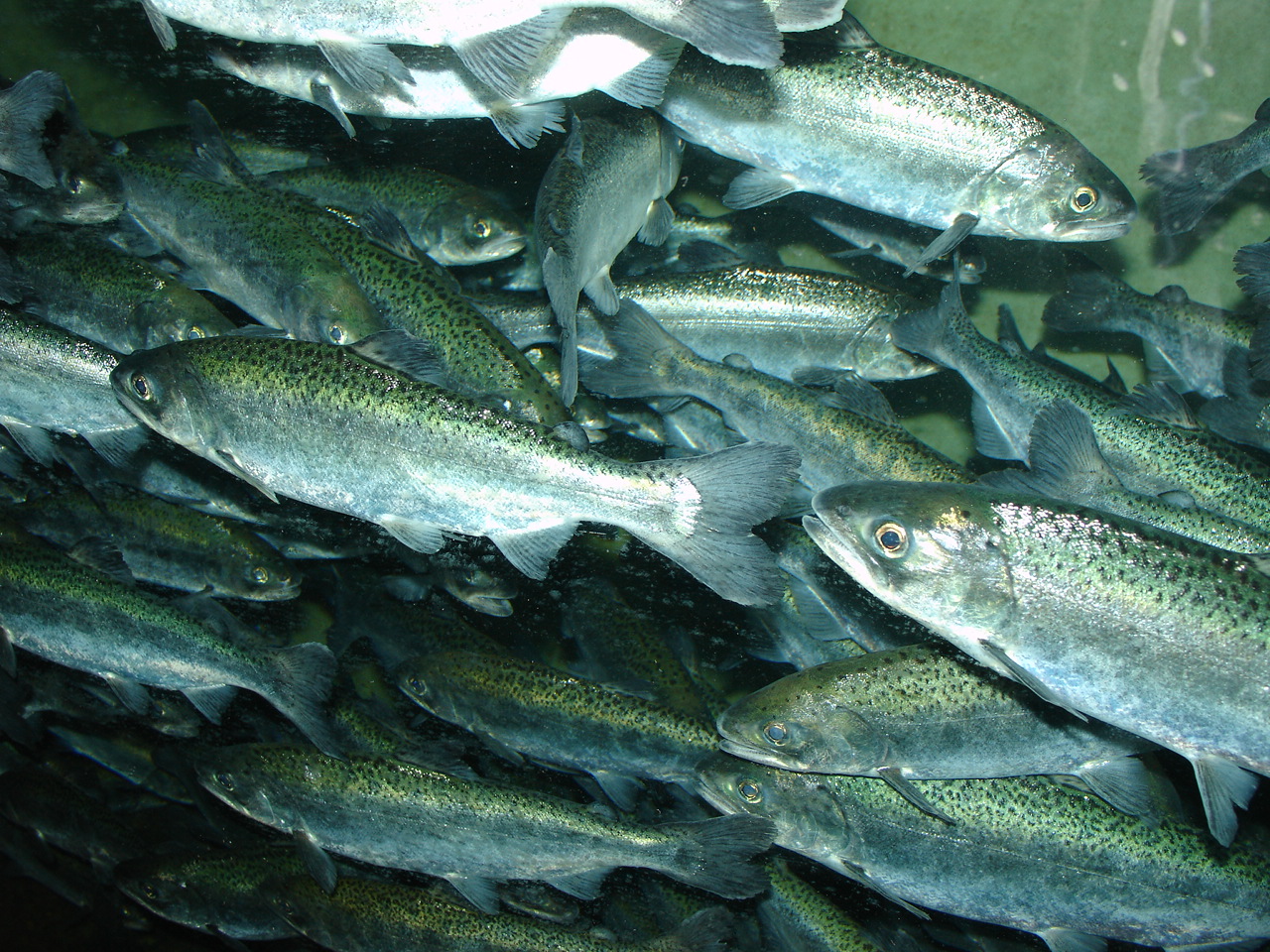
Smaller fish, like salmon, are safer. The NRDC has wonderful resources to help you find & select safe seafood & sushi while you're pregnant.

If you don't care for seafood, or if you're concerned about mercury, a good backup option is to take a supplement. I recommend OmegaGenics DHA 600 gelcaps, as the study used 600mg of DHA to get its results. This supplement is only available through a healthcare practitioner - you can purchase it through me here.

Read more about the DHA study here.

Feel Great During Your Pregnancy - and Increase the Odds of a Healthy Baby!

A balanced diet has the power to solve so many health problems. From morning sickness and milk
production in mamas to IQ and illness in infants, food impacts how we feel and how our children develop.

While most of my posts for the Can Can Cleanse blog revolve around detox and weight loss (it's a juice fast program, after all), surprisingly, much of the advice is translatable to prenatal nutrition.

These tips I gave to Can Can Cleanse readers last week are one such case. For the most part, they apply to anyone, whether you're trying to boost your fertility, feel great during your pregnancy, breastfeed - or otherwise. Check 'em out!

******************
So you’ve completed a juice fast, sworn off sweets for the month, and lost a few pounds. Congratulations! Now keep that good health – and weight loss – going. Maintain your momentum by incorporating a few of these simple tips into your new healthy lifestyle.
  1. Eat lots of vegetables. Per the FDA, half of every meal should be vegetables & fruits. Perhaps that translates to a big salad for lunch and a mostly-veggie dinner. At restaurants, order a salad before your meal to ensure you get lots of veggies. A good variety of different kinds of seasonal vegetables will ensure you get a broad spectrum of nutrients.
  2. Ensure that all of the meat, dairy & eggs you consume are organic and grass-fed. Conventionally raised animal products contain hormones, antibiotics, and pesticide residues. These compounds have been linked to weight gainendocrine/hormone disruption, and breast cancer, among other health problems. Grass-fed or pastured animal products have higher levels of anti-inflammatory omega-3 fatty acids, so they're more heart-healthy. Finally, the CDC calls antibiotic resistance one of the world's most pressing health problems, so reducing your exposure to antibiotic-laced animal products may help stop the spread of antibiotic-resistant "superbugs" like MRSA. 
  3. Hunger is the enemy of healthy eating! Always make sure you make a plan and have healthy snacks on hand. Dedicate one day a week to plan, shop & prep your food.
  4. READ LABELS. Even the prepared vegetarian sushi rolls at Whole Foods contain added sugar! Reading labels can help you avoid unnecessary and potentially harmful additives like sugar, MSG, and synthetic fillers. In the words of Michael Pollan, "If you can't say it, don't eat it."
  5. Avoid processed and refined foods like sugar & flour. Choose whole grains in order to consume fewer calories and keep your blood sugar levels stable. Even flours made from whole grains, while slightly more nutritious, can lead to insulin resistance and diabetes over time. And artificial sweeteners are even worse than real sugar. If you have a sweet tooth, reach for whole fruits, dried fruits, or – if you must – natural sweeteners that are minimally processed (think: honey, maple syrup, or blackstrap molasses).
  6. The solution to pollution is DILUTION, so drink lots of water - at least 64 oz. a day. This will help your liver & kidneys filter out toxins even when you're not cleansing. Get a water bottle, fill it up in the morning, and sip away.
  7. Cook with saturated fats like butter, lard or coconut oil. Use olive oil for everything else, but don't heat it. Here's why.
  8. Relax! Stress raises a hormone called cortisol, produced by our adrenal glands. Cortisol can cause weight gain. Taking a few minutes every day to consciously relax and breathe deeply can help bring cortisol levels back to normal.
  9. Exercise. People with more muscle burn more calories, even at rest. And since muscle tissue burns more calories than fat tissue does, building lean muscle mass is a key factor in any weight loss plan. Do something – anything – to build lean muscle mass daily. 10 push-ups, taking the stairs. Make it easy, and just do it.
  10. Pay attention to what, when & how much you eat. How? By keeping a food journal. In one study, women who kept a food journal lost 6 pounds more than those who didn’t.
  11. Sleep! Getting enough good-quality sleep is essential for weight loss. In addition, adequate sleep is crucial to stress reduction.
As you can see, it’s not just what you eat that impacts your health & weight. Various nutrition & lifestyle factors influence well-being. A holistic approach can help you continue your journey towards good health even after making changes to your diet.

Four Important Nutrients For Pregnant Women

Photo by jenskozdrave
Many (but not all) daily nutrient requirements increase during pregnancy. Whether you’re choosing a prenatal vitamin or selecting a snack to curb your pregnancy cravings, keep in mind that your body needs more of these four when you’re eating for two:
  • B-vitamin complex - especially folate: While the recommended intakes for most B vitamins increase during pregnancy, the DRI for folate (Vitamin B9) in particular jumps dramatically. Folate is a crucial component of any mom-to-be’s diet, as it may prevent autism. Beware the synthetic form called folic acid - studies have shown that it is associated with maternal infection and an abnormally slow fetal heart rate (Hudson, 2008). It’s safest to supplement with a whole-foods source (look for “folate” on the label) or get the proper intake through food sources like leafy greens (think: foliage), black-eyed peas, brewer’s yeast, liver, or beans.

  • Magnesium: The RDA of magnesium is between 350-400 mg/day for pregnant women, but many nutritional experts feel it could be even more, and insufficient intake is common (Murray, Pizzorno & Pizzorno, 2005). Deficiency is associated with preeclampsia and poor fetal growth. You can try an absorbable supplement form such as magnesium glycinate, or you can simply add lots of magnesium-rich foods to your diet such as pumpkin seeds, sea vegetables, almonds, cashews, brewer’s yeast and leafy greens.


  • Iron: Even a slight deficiency can lead to learning disabilities in the developing child, but don’t take an iron supplement unless your doctor recommends it (Murray, Pizzorno & Pizzorno, 2005). Excess iron isn’t easily excreted, and just like iron rusts when it’s left outside, it can also oxidize in the body to create free radical damage and inflammation. You can easily get sufficient iron from eating animal products like clams, steak, shrimp, turkey and chicken.

Sources:
Hudson, T. (2008). Women’s Encyclopedia of Natural Medicine. Pregnancy. McGraw Hill: New York.

Murray, M., Pizzorno, J., & Pizzorno, L. (2005). The Encyclopedia of Healing Foods.Designing a Healthy Diet. New York: Atria.

Eat Omega-3s to Support Your Baby's Brain

You've probably heard of omega-3 fatty acids and know that they're good for you. These polyunsaturated fats, found in foods such as fish, flax, chia, and walnuts, are also called "essential" fatty acids (EFAs) because our body cannot synthesize them itself - we can only get them through our food. Omega-3s have powerful properties: they are cardioprotective, anti-inflammatory, support strong bones, prevent depression and lower menstrual pain. 

Omega-3s are also crucial to fetal development. They're so crucial, in fact, that it is common for fetuses to pull them from the mother's body and leave the mother deficient (welcome to motherhood!). Omega-3 metabolites play a role in the development of the baby's:
  • central nervous system
  • brain
  • eyes
  • immunity
Maternal omega-3 deficiencies can result in a baby with a low birth weight, shorter attention span, lower IQ, allergies, autoimmune diseases like eczema, and a poorly developed central nervous system. Proper maternal intake can reduce the incidence of premature delivery and preeclampsia, as well as support good moods and improve cognitive capacity in mothers.

New research suggests that adequate salmon consumption during pregnancy also increases the omega-3 concentration of breast milk, thereby increasing delivery to the newborn. Non-water matter in human breast milk is approximately 54% fat; omega-3s are an important part of that percentage.

If you're going to get your omega-3s from fish, it's imperative to select low-mercury choices. Mercury has severe effects on fetuses and small children, ranging from developmental delays to autism, cerebral palsy or mental retardation. Some excellent resources for selecting low-mercury fish:
Additional sources:
  1. Hudson, T. (2008). Women's Encyclopedia of Natural Medicine. New York: McGraw Hill.
  2. Jacobson, H. (2004). Mother Food: Food and herbs that promote milk production and a mother's health. Rosalind Press.