Awareness in Eating

This is part 3 of a 4-part series about healthy eating as it relates to yogic principles, designed for Bend + Bloom Yoga's May Challenge. Click to read Part 1, Part 2, or Part 4.
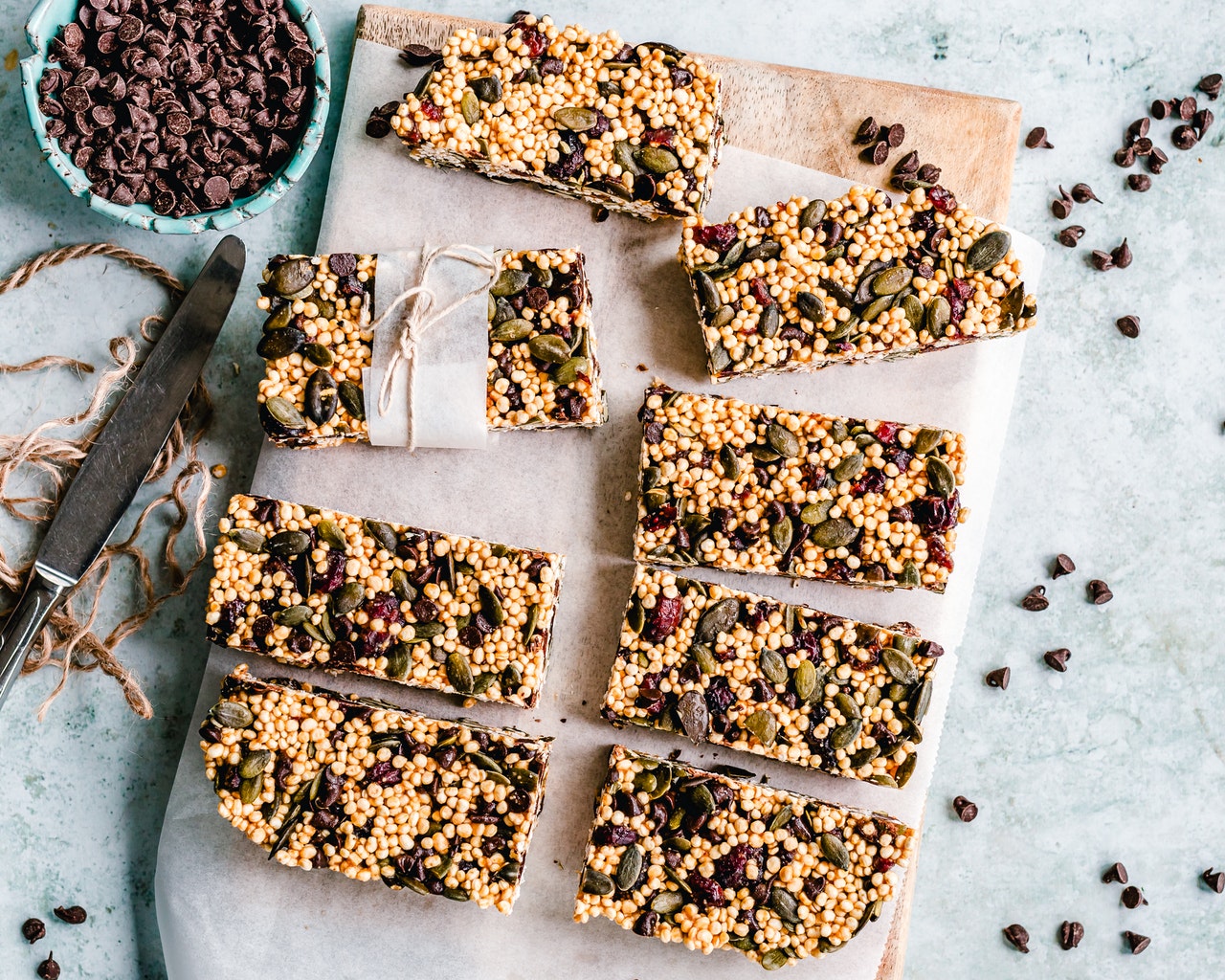
When it comes to eating, hunger can derail the best of intentions. Who hasn’t made a 3-o’clock trip to the office cookie jar after skipping lunch? That’s because when your blood sugar is low, your cells send a message to your brain that they need fuel - and quick. This translates to a primal craving for simple carbohydrates like sugar … and a biochemical response that makes willpower and mindful eating nearly impossible.

Snacking is the secret weapon that will help you stay on track and maintain awareness in all your eating choices. It sounds counterintuitive: eat more, weigh less. But it works because you end up making better decisions (read: you’re more aware) when you aren’t famished.

Of course, snacks have to be healthy to be helpful. This week’s recipe provides complex carbohydrates to satisfy your cells, but also offers plant protein and healthy fats that will keep you satiated for longer.

Plus, these things are delicious! Enjoy your third week of the May Challenge, and have fun testing your ability to maintain mindfulness on the mat and off.

Homemade Snack Bars

2 c. nuts your choice (almonds and cashews work well)
1 c. dried fruit of your choice (I like apricots but feel free to get creative!)
½ t. Spice of your choice (optional, but I love cinnamon and allspice)
2 T. coconut oil, melted (more or less depending on your nut choices)

Place first three ingredients in a food processor and pulse until pulverized. With the food processor running, slowly add as much coconut oil as you need to make the mixture congeal into a batter-like consistency. Roll out batter to ½” thick on a silpat or other flat surface. Use a pizza cutter to slice into bar shapes. Carefully wrap bars in parchment or wax paper and put in the refrigerator until they’re set. Enjoy!

Hungry for more? 
or 

Eating for Respiratory Health

This is part 2 of a 4-part series about healthy eating as it relates to yogic principles, designed for Bend + Bloom Yoga's annual May Challenge. Click to read Part 1Part 3, or Part 4.

You’ll be breathing a lot this week, so take good care of your lungs! Here’s how:
  1. Take a deep breath before you eat: this shifts your nervous system into a parasympathetic state ("rest & digest"), crucial for optimal digestion. Yep, that's right: your lungs help you digest!
  2. Pump some iron: Iron is essential for transferring oxygen in your blood from the lungs to the tissues and storing oxygen. Spinach is a great plant source of iron.
  3. Stop the sneeze: Just like pollen, allergenic foods can have respiratory effects. The Big 8 allergens are wheat, dairy, corn, fish, shellfish, tree nuts, peanuts, and soy. In addition, inflammation from eating foods like refined carbohydrates (flour, sugar) and alcohol can negatively impact lung health.
  4. Add antioxidants: counter the oxidative effects of air pollution and smoke by consuming antioxidant-rich foods like fruits, veggies, nuts, and seeds.
Support your lung health with this antioxidant-rich, hypoallergenic smoothie bowl.


Smoothie Bowl

It’s amazing what you can throw into a smoothie! I like to add whatever I have lying around that may not get used otherwise: carrots, ½ avocado, ½ apple, nut milk, nutritional yeast, seaweed flakes… the list goes on!
½ c. filtered water
½ banana or mango
½ c. frozen organic berries
Big handful organic spinach (baby spinach is OK too!)
Small handful nuts of your choice (omit if
1 T. chia seeds
Top with shredded coconut, toasted pumpkin seeds, sunflower seeds, or nut butter

Place water into blender. Add next 5 ingredients and puree to desired consistency, about 15-30 seconds. Pour into a bowl, add toppings, and enjoy!


Hungry for more? 
or 

Sources:
https://www.ucsfhealth.org/education/hemoglobin_and_functions_of_iron/
http://www.whfoods.com/genpage.php?tname=nutrient&dbid=70

Nutrition for Inner Strength

This is part 1 of a 4-part series about healthy eating as it relates to yogic principles, designed for Bend + Bloom Yoga's May Challenge. Click to read Part 2, Part 3, and Part 4.

What we eat directly affects how we feel mentally, emotionally, and physically. Proper nutrition can strengthen our bodies and minds.

On a physical level, protein is responsible for building muscle. It is also a slow-burning energy source, which means that eating protein helps us feel satiated for a long time. Hunger can derail health, and protein is one of our best defenses against it.

Animal foods are the best source of protein because they are complete (meaning they contain all of the essential amino acids), but we must take care when choosing animal foods due to health, ethical, and environmental concerns. Pastured eggs are sustainably farmed and provide optimal health because hens roam free and graze on natural feed. The nutritional benefits are obvious in the orange color and robustness of the yolks, which are rounder and more orange than factory-farmed eggs, signifying a higher beta-carotene content and an overall healthier egg.

Starting your day with an egg breakfast is an excellent way to stabilize blood sugar, prevent hunger, and give your body the protein it needs for inner and outer strength. This easy recipe takes just a few minutes to prepare and can be adapted based on what you have on hand.


Easy Egg Breakfast
The simplest way to enjoy this breakfast is to follow the below recipe as-is, but it’s also super-easy to jazz up and enjoy for lunch or dinner, too. Serve over ¼ cup of rice, beans, lentils, grains, or a sprouted organic corn tortilla. Fake a shakshuka by placing eggs over warm crushed tomatoes. Top with Sriracha, hot sauce, a sliced avocado, sprouts, chives/scallions, paprika, microgreens, and/or toasted sesame seeds. Pair with pastured bacon on the weekends. #putaneggonit! You can pair this with almost anything - be creative!

Extra-virgin olive oil, more if needed
Pastured butter
2-3 pastured eggs (organic or free-range are good too if you can’t find pastured)
Handful of organic dark green leafy vegetable like kale, chopped as needed (I get boxed baby kale for easy grabbing - no chopping necessary)
Salt & pepper

First, heat a skillet over medium-high heat. Once the pan is hot (about 1 minute), turn the heat down to just over medium, and melt a few swirls of olive oil with a pat of butter. Once the butter is fully melted, gently crack the eggs directly into the pan. Cook for 1 minute and move to the side of the pan so you can add the greens to the pan (you may need to add a bit more olive oil). Cook until greens have wilted, about another minute or so. At this point I flip the eggs and turn off the heat, cooking them just until the whites are set. Season with salt & pepper, transfer to a plate, and serve immediately.

Sources: http://www.ncbi.nlm.nih.gov/pubmed/20048505
Hungry for more? 
or 

Vaccinations: A Middle Ground

I've been seeing so much passion for and against vaccines on my social media feeds lately. There has been a lot of name-calling and negativity, so I wanted to propose a more amicable and productive middle ground.

If you peel away all the frustration, both sides have a respectable and ultra-worthy common goal: to protect children.

Unfortunately, we have all received different information on just how to do that, which results in a lot of confusion and conflict. In addition, the information we get is often inconsistent, biased, or otherwise unreliable.

In the succinct words of Chris Kresser, "There is a risk in vaccinating, and there is a risk in not vaccinating. And anyone who tells you differently is not acquainted with the research literature."

So how do you decide what is the best option for you & your family?

Dr. Aviva Romm offers an excellent starting point in her lecture "Vaccination Pros & Cons: Help for Concerned Parents."  She presents the research in one of the most objective, unbiased summaries I've yet seen.  It's not exhaustive, but it's a great starting point.  Dr. Romm also wrote a book that provides further information entitled "Vaccinations: A Thoughtful Parent's Guide."

In addition, we can join together to fight for safer vaccines. Fewer side effects mean that more parents will feel comfortable vaccinating, so we can regain the herd immunity benefits of vaccination.

That said, one of the big-picture public health concerns is that vaccination may be creating a "survival of the sickest" situation. In the past, those who survived infectious diseases passed on some of that immunity to their children, which helped to naturally eradicate illnesses and bolster natural selection & the strength of the species. Today, we are observing troubling trends in immune disregulation & autoimmunity that are likely related to vaccines, but there is not enough long-term research to fully understand exactly what's happening.

Unfortunately, it doesn't sound like there is one right answer.  But by supporting and fighting alongside (instead of against) each other, we can make greater strides to protect the health of our nation's children. And that's what we're all after.

Soft Tacos for Breakfast, Lunch & Dinner!

One of the things I miss most about California is the Mexican food. With the snowstorm approaching,
I headed to the store to stock up on groceries and decided on a nostalgic treat. These veggie soft tacos turned out better than anything I've had in NY yet, and we even adapted the recipe for breakfast tacos the next morning (recipes below).


Veggie Soft Tacos

Corn tortillas
Cotija cheese
1-2 cans pinto beans (I like Eden Organics because their cans are BPA-free)
1 t. chili powder
1 t. cumin
Salsa (I like Muir Glen Organics' Medium Salsa)
Avocado, sliced
Cilantro, chopped
Olive oil & butter

Grate as much cotija as you'll need (about 2 T. per taco).

Heat olive oil & butter in a large skillet over medium-high heat, and add the chili powder and ground cumin. Cook the spices until fragrant, about 30 seconds, then stir in the beans. Mix and cook until heated through. Remove from heat.

Heat 2 tortillas (or as many as you can fit) in a dry skillet on medium-high. Cook until slightly toasted. Flip the tortillas and sprinkle 1 T. of cotija on each. When the cheese on the tortillas has melted, spoon 1-2 T. of salsa on top of each.

Once salsa is barely heated through, remove tortillas from the pan and top with beans, remaining 1 T. cotija, avocado, and cilantro.

Breakfast Soft Tacos

Corn tortillas
Cotija cheese
Pastured, cage-free eggs
Salsa
Avocado, sliced
Cilantro, chopped
Olive oil & butter

Grate as much cotija as you'll need (about 2 T. per taco). Gently whisk eggs (2 per person) together in a bowl.

Place two pans on the stove. In one pan, heat a mixture of olive oil & butter (about 1 T. each) over medium heat. Add the egg mixture to this pan. When the edges of the egg mixture are slightly set, gently scramble them once. Keep an eye on the eggs and continue to gently scramble as necessary.

In the other pan, add 2 (or as many as you can fit) corn tortillas. Cook until slightly toasted. Flip the tortillas and place 1 T. of cotija on each. When the cheese on the tortillas has melted, spoon 1-2 T. of salsa on top of each.

Once salsa is barely heated through, remove tortillas from the pan and top with eggs, remaining 1 T. cotija, avocado, and cilantro.

Hungry for more? 
or 

Caffeine

Photo by Slawek Lukjanow
So many of us love our daily cup of joe. Whether it's the ritual of enjoying a warm mug in the morning, or the physical jolt that we get from the caffeine itself, giving up coffee is usually a challenging task. 

I don't include caffeine in my programs because of its health risks. Here's why - and what your options are instead.

There are lots of good medical reasons to reduce or eliminate caffeine intake, especially while trying for a baby. Caffeine's link to infertility - even decaf! - has been well-documented in scientific literature. Caffeine is also associated with increased incidences of miscarriage, low birth weight, and delayed conception. In addition, caffeine's toll on your adrenal health is suspected to degrade your baby's adrenal health as well - and low adrenal function could mean poor metabolism, healing, and stress response.

So what's an addict to do? Well, my programs provide a strong foundation to explore a few options:
  1. If you want to try to break the addiction, you may experience up to 3 days of headaches. Knowing that in advance (and planning for it) can make dealing with the withdrawal symptoms easier. Drink lots of filtered water, rest, and distract yourself if possible.
  2. If you don't want to kick the habit cold turkey, I recommend weaning yourself down or replacing your coffee with a less-potent form of caffeine such as green tea. If you choose to do this, make sure to drink extra water, as caffeine is a diuertic. 
  3. Try going to bed 30 minutes earlier than normal and see if that helps to mitigate the need for caffeine in the morning. 
Test yourself to see how little caffeine you really need to "make do." And, if you're simply drawn to the ritualistic aspect of having a warm drink in the mornings, an herbal tea or hot water with lemon might be an easy replacement. 

Whatever happens, don't beat yourself up. Do the best you can, try different things, and be proud of yourself! Even just making a small change like this can switch up your routine and give you some good insights about what works best for your body.

What's your favorite non-caffeinated healthy beverage? Share your tips on our Facebook page.

The Most Important Nutrients for Fertility

In Priming the Bump, my 14-day fertility prep program, meals are tailored to include nutrients that are known to improve fertility: Protein; Vitamins A, B, C, D, and E; Zinc & Selenium; carnitine & arginine; omega-3 fatty acids; probiotic foods, and antioxidants. 

Want to know exactly how these fertility super-nutrients support your reproductive system? Here is the rundown:

Vitamins
  • Vitamin A: Necessary for the production of estrogen, progesterone & testosterone. Vitamin A also protects against environmental toxins & aids sperm production.
  • B-vitamins (especially folate & B12): Folate is crucial upon conception and many women are deficient. B vitamins (especially folate & B12) are responsible for protecting the DNA within sperm.
  • Choline: Choline is usually grouped with the B-complex vitamins. It is critical for brain & nervous system development.
  • Vitamin C: Vitamin C improves all semen variables. Vitamin C deficiency has been linked to declines in sperm count, motility and vitality and to an upswing in abnormal sperm.
  • Vitamin D: Balances Vitamin A, supports the production of estrogen in men & women, and can help correct PCOS. Infertility is associated w/ low levels of D.
  • Vitamin E: A powerful tool to improve male & female fertility, Vitamin E also increases male potency, regulates menstrual flows, and may prevent miscarriage.
Antioxidants
Antioxidants are essential for everyone during this age of high free radical damage, but they're especially important for anyone struggling with fertility. They help protect your delicate reproductive cells and systems from oxidation and degeneration. In fact, high antioxidant intake is known to improve fertility. Antioxidant consumption is associated with an increase in pregnancy rates, and it may also aid fertility in older women.

Many nutrients have antioxidant capabilities, but some of the most potent antioxidants are Vitamins A, C, and E, Selenium and Zinc.

Minerals
  • Selenium: Selenium is considered essential for male fertility because of its role in testosterone synthesis, normal sperm maturation, and sperm motility.
  • Zinc: Another critical mineral for male sexual function, Zn is involved in virtually every aspect of male reproduction. But it's not just for men. Zinc is also required for estrogen, progesterone & sperm production. Impotence, infertility or sterility can occur from Zn deficiency, and deficiency during pregnancy can cause birth defects.
  • Bone broth contains minerals like calcium. It also supplies nutrients that help build healthy cartilage, detoxify, and heal the digestive tract. It's an excellent tonic for immunity as well as development.
Brazil nuts are an excellent food source of Selenium, and oysters are the best dietary source of Zinc. It's no wonder oysters are considered an aphrodisiac!

Protein
  • Clean protein: Reproductive hormones are made from proteins, some of which are only obtainable through diet (aka "essential"). Protein also provides a feeling of satiety that helps us stay on track and avoid a doughnut binge.
  • Carnitine: Carnitine is an amino acid - one of protein's building blocks. Low carnitine levels may be indicative of infertility. Carnitine can help men improve their sperm count & motility. It also provides energy to testicles and sperm.
  • Arginine: An amino acid that is essential for sperm formation. Arginine can strengthen sperm count & motility. It can also improve fertilization rates in women who had previously failed IVF.
Fat
  • High-fat dairy products: Studies show that high-fat dairy reduces the risk of infertility due to lack of ovulation by more than 50% in contrast to low-fat dairy foods, which can actually reduce the risk of successful conception.
  • Omega-3 fatty acids: Sperm motility directly correlates with omega-3 fatty acid levels, especially DHA. Too few omega-3 fatty acids in relation to omega-6 fatty acids can decrease sperm concentration, motility & morphology. Plus, omega-3s are crucial for baby's brain development.
Probiotics
  • Probiotic foods: Changes in vaginal flora & subsequent genital & intrauterine infections have been linked to reproductive failure. Probiotic foods help restore bacterial balance. In addition, since probiotics help us digest & assimilate food, they help ensure that the body can use all the nutrients we eat. Probiotics can also detoxify & strengthen the immune system, which is especially important during the early stages of pregnancy.
Now that you know which nutrients are important for fertility (and why), you can begin to choose foods that supply these nutrients and begin boosting your fertility naturally.