2 Important, Low-Profile Health Factors

glass of waterAs you may know, I've been doing a ton of writing for Can Can Cleanse. I approached them with a
bunch of topics and this was one of their favorites. We rarely think about these two things, but they are both so important to our health!

*******
A Deep Breath & A Glass of Water 

Amid today’s onslaught of fad diets, superfood fanaticism, food allergies, and - yes - even cleanses, sometimes it’s easy to forget two of the most health-promoting basics: oxygen & water.

The body can’t store oxygen, which is why we must breathe continually. With each breath, oxygen travels through the lungs to the bloodstream and to every cell in the body. Inside the cells, oxygen is required to produce energy so we can think, move, see, feel ... in short, so we can live. Without oxygen, brain damage or death can occur within minutes.

According to Dr. Andrew Weil, “The more air you move, the healthier you will be, because the functioning of all systems of the body depends on delivery of oxygen and removal of carbon dioxide.” (1)  Research supports his statement, which is why aerobic exercise is so important.

During aerobic exercise, increased oxygen helps remove more waste products (like carbon dioxide and lactic acid) and release more feel-good endorphins. Over time, aerobic exercise helps us reduce the risk of many health problems, lose weight, boost immunity, feel good, and it can even help us live longer. (2)  

Deep breathing exercises are another way to get more oxygen into the body.

When it comes to water, you’ve probably heard that you should drink 8 glasses a day. Some people need even more!

Water accounts for roughly 60% of body weight. A healthy person may be able to survive for 3-5 days without water, but more fragile compositions (like those of babies) might only survive a few hours without water.

In the body, water is essential for detox because it flushes dangerous compounds from our bodies. In addition, the same energy production cycle that requires oxygen also requires water. “Even mild dehydration can drain your energy and make you tired,” according to the Mayo Clinic. (3)

Water also helps make nutrients more accessible to the cells. For example, Vitamins B & C are “water-soluble,” meaning that they can’t be absorbed or used without water to help dissolve them.

The easiest way to measure if you’re drinking enough water? Your urine should be almost colorless.

In short, while you may be able to live without trying the latest superfood, you simply can’t survive - or thrive - without oxygen & water. What’s more, you can easily increase your health as you increase your intake of oxygen and (in many cases) water. So go ahead and fill your lungs & your water bottle. It might just help your health even more than that cabbage soup diet.

-Emily Wade Adams, Natal Nutrition

Sources:

Gluten-Free: Healthy or Hype?

Originally written for Can Can Cleanse.


In the past month alone, your babysitter went wheat-free, your nephew was diagnosed Celiac, and your grocery store expanded to create a new gluten-free section. 


What is all the fuss about? Is this something we all need to worry about? Or is gluten-free just a fad?


Gluten sensitivity is, in fact, on the rise. Celiac disease is at least 4 times more common today than it was 50 years ago (1), and that doesn’t even include the increases in reported sensitivities and intolerances. Some reports show that 40% of Americans suffer from gluten-related health problems (2).


There is not one widely accepted reason for these skyrocketing gluten sensitivity rates, but there are several theories that may explain the rise:
  1. The Hygiene Hypothesis. Some experts claim that our love affair with Purell has created an environment that is too clean, resulting in weaker immune systems that can’t handle gluten (3). 
  2. Wheat processing. We’ve been changing the ways we use and eat wheat. Many of the foods we eat today didn’t exist 50 years ago. So while wheat may not have caused a problem for our ancestors, it can be argued that these new ‘foods’ and processing methods are to blame for the rise in gluten sensitivity.
  3. Wheat hybridization. Today’s grains have been modified to contain much more gluten than ancient strains (4). Why? Because gluten gives breads & pastas a lighter, fluffier texture, and that’s what consumers want.
  4. Earlier exposure. Children are exposed to glutinous grains earlier than ever before (for example, cereal grains) (5).
  5. Lack of bacteria. Despite the popularity of probiotics, this theory maintains that we still aren’t supporting our beneficial flora enough. Studies show that our intestinal microbes can mitigate reactions to gluten - but only if we have a healthy community of bacteria living in our gut (6).
  6. Lack of breastfeeding. Nowadays, we know that breastfeeding helps inoculate babies with good bacteria, provides protective antibodies, and helps babies develop immunity. One study found that babies who continued to breastfeed after their first exposure to gluten were more protected against gluten sensitivities (6). In general, nursing helps prevent allergies of all kinds. Unfortunately, people didn’t always know about these benefits. Adults who were bottle-fed may be more susceptible to gluten allergy and intolerance.
  7. Less variety in our diets. We’re busy people. And sometimes a freezer pizza or 9-minute pasta is all we can bear to whip up after a long day at the office. Problem is, when we don’t get variety in our diet, we are more susceptible to developing food sensitivities (7). And with all that bread, pasta & cake in our day-to-day diet, wheat is one of the foods we seem to be eating all the time.
  8. Humans were never meant to eat grains. Some nutritionists argue that grains were never meant for human consumption. Looking back to our caveman ancestors and their paleolithic diet, these researchers contend that we were meant to eat meats and vegetables, and our health problems only arose after we switched to a grain-based diet (8).


Whatever the reason behind the rising rates, it appears that gluten-free isn’t going away anytime soon. And that may be for good reason. I’ve personally watched patients lose weight, banish heartburn, and manage autoimmune conditions just by eliminating gluten for 2-4 weeks. While not everyone’s health will improve by going gluten-free, my practice has proven it to be a worthwhile experiment.


Sources:

Is Breast Best? And Does It Matter What Nursing Moms Eat?

Photo by Nerissa's Ring
When it comes to a baby's diet, most experts agree that "breast is best." But what if Mom is eating candy all day? Or consuming foods to which she has a low-grade allergy? If mother's milk has a lot of inflammatory compounds, is nutrient-deficient, or is otherwise compromised, baby's development can suffer.

The resulting complications can be instantaneous. Some babies fuss after the mother has eaten sugar, MSG or gluten (Morell, S. & Cowan, T., 2013). But other problems can arise down the line. A new study found that less-healthy infant diets were associated with higher blood pressure in 7.5-year-old children. And holistic dentist Raymond Silkman reports that severe dental malocclusion is more likely to occur in breastfed children if their mothers were vegetarian or vegan.

The bottom line? Contrary to popular belief, scientific research confirms that a nursing mother's diet is crucial to her baby's proper development. She can improve the quality of her milk by eating a nutrient-rich diet and avoiding toxins.

And babies aren't the only beneficiaries. If their nutrient stores are replete with vitamins and minerals, nursing moms may be able to avoid postpartum health problems like depression. It's a win-win!

Sources:
Morell, S. & Cowan, T. (2013). The Nourishing Traditions Book of Baby & Child Care. New Trends Publishing, Inc.: Washington, D.C.

Preventing Low Birth Weight

Photo by Zureks
A new study confirms that DHA (an omega-3 fatty acid found in fish oil) increases birth weight and gestation duration (the total time that your baby's in your belly).

While that might sound like a few more weeks of torture for you, it's actually of crucial importance for your baby. Premature and low birth weight babies are more likely to develop serious health problems later in life, like high blood pressure, diabetes & heart disease.

That said, getting enough DHA safely can be a challenge. While food sources are always the most bio-available source of nutrients, fish poses a problem. Large fish like tuna can have dangerous levels of mercury, so it's not advisable to eat them during pregnancy.

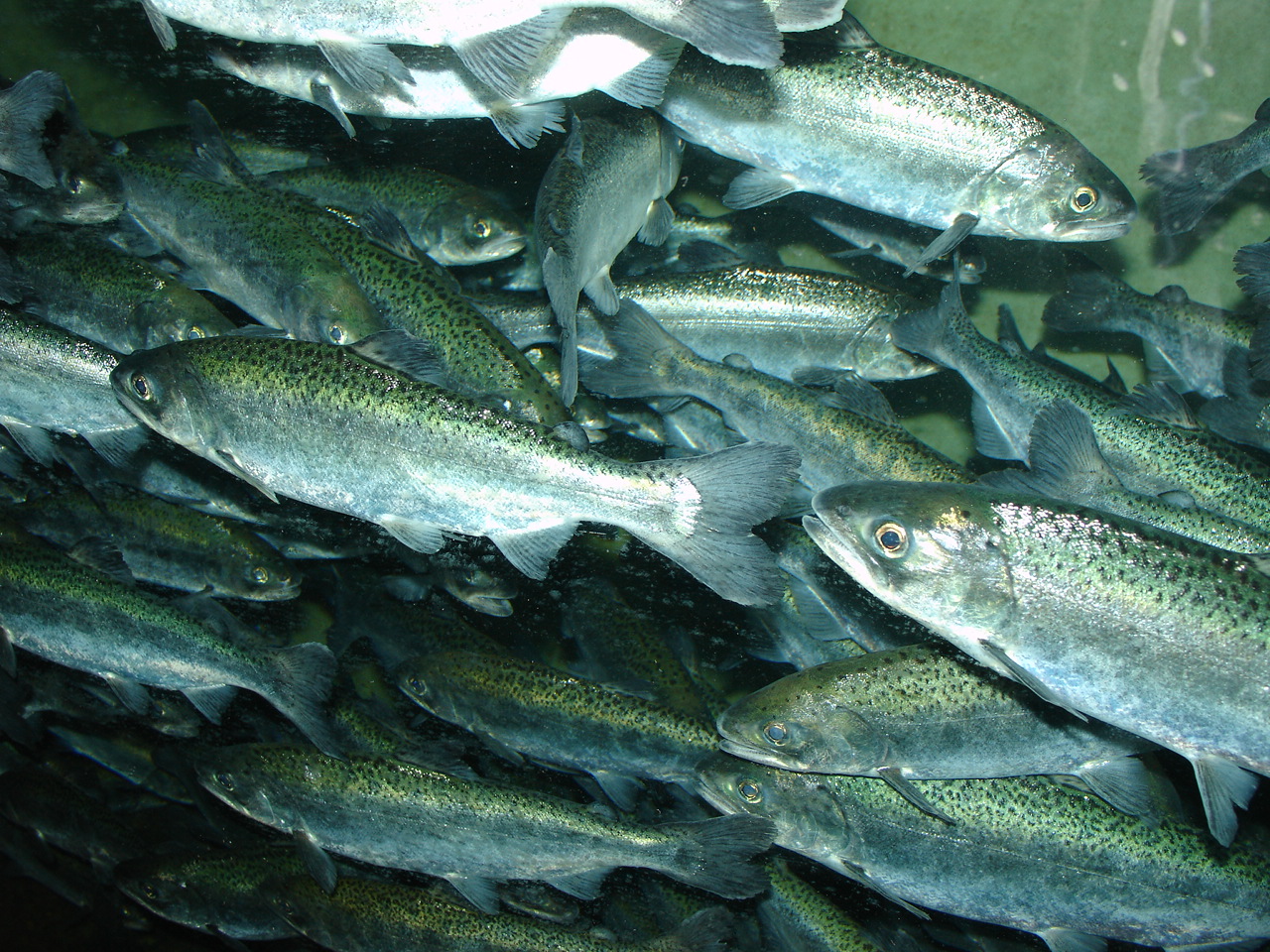
Smaller fish, like salmon, are safer. The NRDC has wonderful resources to help you find & select safe seafood & sushi while you're pregnant.

If you don't care for seafood, or if you're concerned about mercury, a good backup option is to take a supplement. I recommend OmegaGenics DHA 600 gelcaps, as the study used 600mg of DHA to get its results. This supplement is only available through a healthcare practitioner - you can purchase it through me here.

Read more about the DHA study here.

Preventing Autism

Photo by Lance Neilson
A friend of mine recently started volunteering at a local kindergarten. As we enjoyed brunch last week, she described her typical day - chasing down the kids with behavioral issues like autism and ADHD while the teacher tries to keep the rest of the class from falling behind. She was exhausted and frustrated by the situation - a sentiment many of my friends who work in early education (or have school-age kids) share. These parents and educators wonder, "What can we do to stop this (or make it better)? And how did this happen?"

Traditional medicine struggles to address chronic conditions, from behavioral disorders like autism to the obesity and diabetes epidemics that are so rampant today. However, this is precisely the type of situation where an integrative approach really works. We look "upstream" and address the problem at its root. More and more research points to the preventability of illnesses like these - and much of that prevention occurs in the womb.

Science has identified a plethora of prenatal factors that can contribute to the development of autism:
  • Folate deficiency before & during pregnancy
  • Vitamin D deficiency
  • Stress during the prenatal period and maternal neurotransmitter health
  • Exposure to toxic metals like lead or the mercury used in dental amalgams
  • Maternal inflammation. Inflammation can stem from stress, toxins, lack of exercise, or an improper diet high in sugar, processed foods, oxidized fats, and unidentified (or ignored) food sensitivities
  • Older (35-40+) mother or father
  • Not enough time between sibling births (child-spacing less than 3 years apart)
  • Genetics - though these genes are influenced by environmental factors
So how do we use this information to help slow the spread of autism? Now that we have awareness, how do we take action? The first secret is not to become so overwhelmed that you don't do anything. Pick one of the above bulletpoints and make a couple of changes. You don't have to tackle it all at once. (And of course, a good prenatal nutritionist can help make this process much easier.).

Also, you may have noticed that some of these factors actually come into play before you conceive. Compared to the people of traditional cultures (who spent years eating special pre-pregnancy diets before conceiving), we do very little today to prime our bodies for pregnancy. But I'm aiming to change that with the upcoming launch of my online coaching program, Priming the Bump. This program is perfect for those of you who want to boost your fertility naturally and prepare your body to deliver a healthy baby. If this sounds like you, be sure to check out Priming the Bump - and bring your partner, friends or family.

Armed with the right tools, parents can regain control over these diseases by attending to diet and lifestyle - and that's exciting news for families who've felt helpless.

Hungry for more? 

Keeping Juices Fresh: Is HPP (High Pressure Pasteurization) Safe?

Non-HPP juice from my fave Cape Cod spot
Originally written for Can Can Cleanse, 2013.

Juice fast programs are quickly growing in popularity, so it is no surprise that cleanses are popping up on grocery store shelves nationwide. The extended shelf life of these grocery store juices is made possible by a new juicing pasteurization technique called High Pressure Processing (HPP).

Traditional pasteurization is a relatively new technique designed to kill bacteria and microorganisms in order to prevent food-borne illness. It became popular in the US in the 20th century, around the same time that urbanization, processed foods and mass food production became the norm. 

Until recently, pasteurization used heat, which decreased nutritional content. This made it unsuitable for juicing programs - after all, getting those nutrients is the whole point of embarking on a juice cleanse. With the new technique of HPP, however, bacteria are eliminated without altering nutritional content (for the most part).

HPP functions by applying high pressure to liquids. “During HPP, foods are subjected to pressures up to 100,000 psi. which destroy pathogenic microorganisms by interrupting their cellular functions,” according to High Pressure Dynamics, Inc. (a producer of HPP equipment).

So what’s the catch? Well, since it’s still a pretty new technology, there isn’t a ton of research on HPP processing or its potential side effects. But some studies show that when HPP kills the harmful bacteria in juice, it also deactivates beneficial bacteria and enzymes.

Unpasteurized, unprocessed, raw fruit juices (derived from a cold-pressing process) are a rich source of live enzymes. And these phytonutrients offer a plethora of health benefits, from aiding digestion and reducing inflammation to sinusitis relief and wound healing#. In other words, they’re a crucial component of any detox program - or healthy food.

So what’s the bottom line on this new juicing technology? Well, on the one hand, nutrient-rich juices can now be made available in places that might otherwise not have access to them. That’s a great thing! And HPP seems like an improvement over traditional pasteurization in that it preserves more nutrients.

On the other hand, it’s still a form of processing and pasteurization. If HPP kills bacteria by interrupting cellular processes, it’s doubtful that all of the juice’s holistic benefits can remain intact. There haven’t been enough credible scientific studies to unequivocally prove otherwise - that’s one of the risks of using new technology.

As a nutritionist, I tend to err on the side of caution. Better safe now than sorry later. So when I refer my clients to a juice fast program, I point them towards a cold-pressed local option whenever possible. 

Additional sources:

Choosing Good Chocolate

Chocolate!

Hearts and roses aside, there is perhaps no better representation of Valentine’s Day than chocolate. The bittersweet confection has a rich history, artisanal tradition, and even enjoys superfood status. So whether you’re enjoying chocolate-covered strawberries with a sweetie or treating your single self to truffles, rest assured that an occasional indulgence offers a host of health benefits.


Romantic Origins
Cacao beans - the source of all chocolate - have long been a venerated crop. In parts of Central America, cacao beans were even used as currency as recently as the last century. 

But cacao has a sensual side, too. Chocolate became known as an aphrodisiac in the 17th century - a quality that today’s scientific research justifies. Two particular neurotransmitters found in chocolate are known to create euphoria and mimic THC in marijuana. Maybe that’s why it feels so good to bite into a bar!

Money, love - and a delicious flavor? It’s no wonder Americans love chocolate. In fact, we eat about 12 pounds of chocolate per person annually. This year, we’re projected to spend $1.6 billion on Valentine’s Day candy alone. Even US Army rations include chocolate bars, and US astronauts take it to space with their supplies.

Creating Chocolate
Surprisingly, chocolate is a fermented bean product at its core. White cacao beans are harvested, fermented and dried, turning brown in the process. Chocolatiers buy the dried beans and then clean, weigh, blend, roast and shell them using their own secret recipes. The shelled cacao nibs are ground, melting into chocolate liquor - the (non-alcoholic) liquid form of pure chocolate. Poured into molds and cooled, chocolate liquor hardens into unsweetened baking chocolate. To make cocoa from these blocks, cocoa butter is removed. For chocolate, cocoa butter is added, along with sugar and other ingredients.

Nutritional Highlights
Chocolate is rich in plant sterols and flavonoids, compounds that support healthy cardiovascular function. Chocolate, therefore, may help lower cholesterol, prevent blood clots, and protect against arterial damage. Flavonoids also have strong antioxidant capabilities that help fight allergy, inflammation, and even cancer.

Selecting Sweets
Despite appearances that may suggest otherwise, not all chocolate is created equal. When choosing your chocolate, label reading is a must. The purest, healthiest chocolates include ingredients such as cacao, unsweetened chocolate, chocolate liquor, cocoa butter, sugar, vanilla, salt, or milk. 

Avoid chocolates with additives like corn syrup, partially hydrogenated oils (PHOs) or flavoring. Sometimes, it’s not even real chocolate in those heart-shaped boxes: many pre-packaged confections are simply “chocolate-flavored candy.” Read the fine print and be picky! 

Also, the healthy nutrients in chocolate increase with its cocoa content, so select the darkest chocolate possible to take full advantage of its benefits.

A Final Reminder
While pure chocolate is one of the healthiest kinds of sweet treats, it still contains sugar, caffeine, and potent natural compounds that may be addictive. Moderation is always advisable.

Happy Valentine’s Day!

Additional sources: 
Murray, M., Pizzorno, J., & Pizzorno, L. (2005). The Encyclopedia of Healing Foods. The Healing Power of Miscellaneous Foods. New York: Atria.
Weil, A. (2004). Natural Health, Natural Medicine. New York: Houghton Mifflin.